
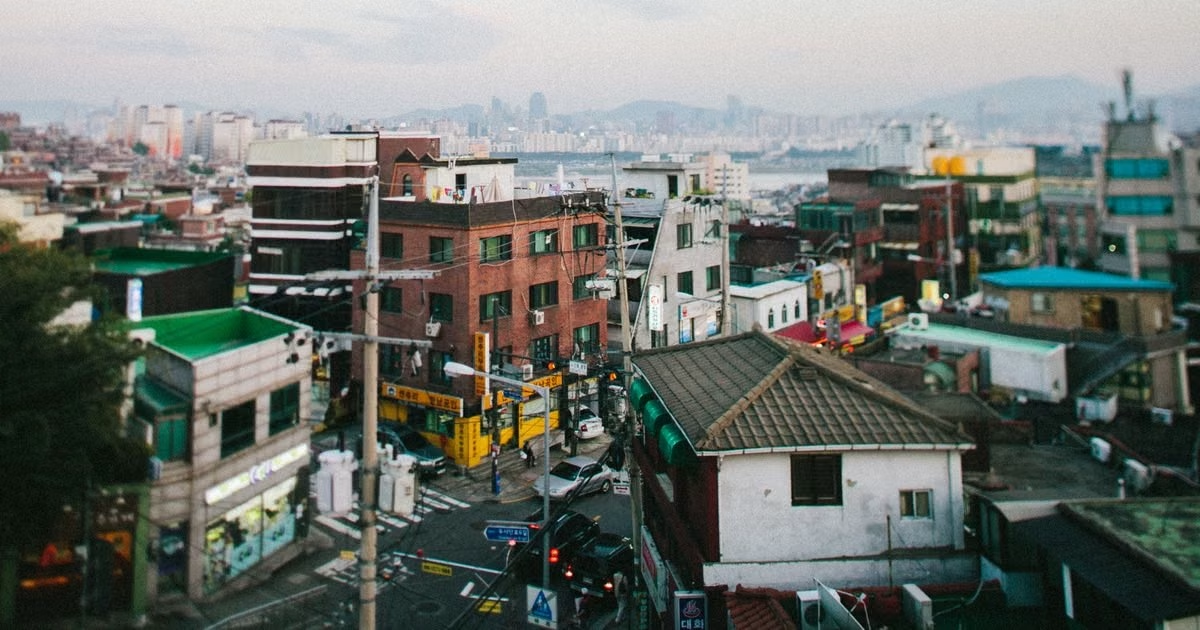
City Guide · 12 min read
Technology and electronics careersAffordability relative to Western capitalsSafetyPublic transitA dedicated post-study job-seeking visaK-culture and a vibrant social scene
Seoul is South Korea’s capital and a genuine global centre for technology, electronics, and entertainment, home to Yonsei University, Korea University, and Seoul National University among others. It combines tuition meaningfully below most Western universities, an extremely safe, efficient, and technologically advanced city, and a dedicated job-seeking visa that gives graduates real time to find local employment. The trade-offs: Korean fluency matters for the full range of local job opportunities, even in English-taught programmes, and academic culture here runs more intensive than at many Western universities.
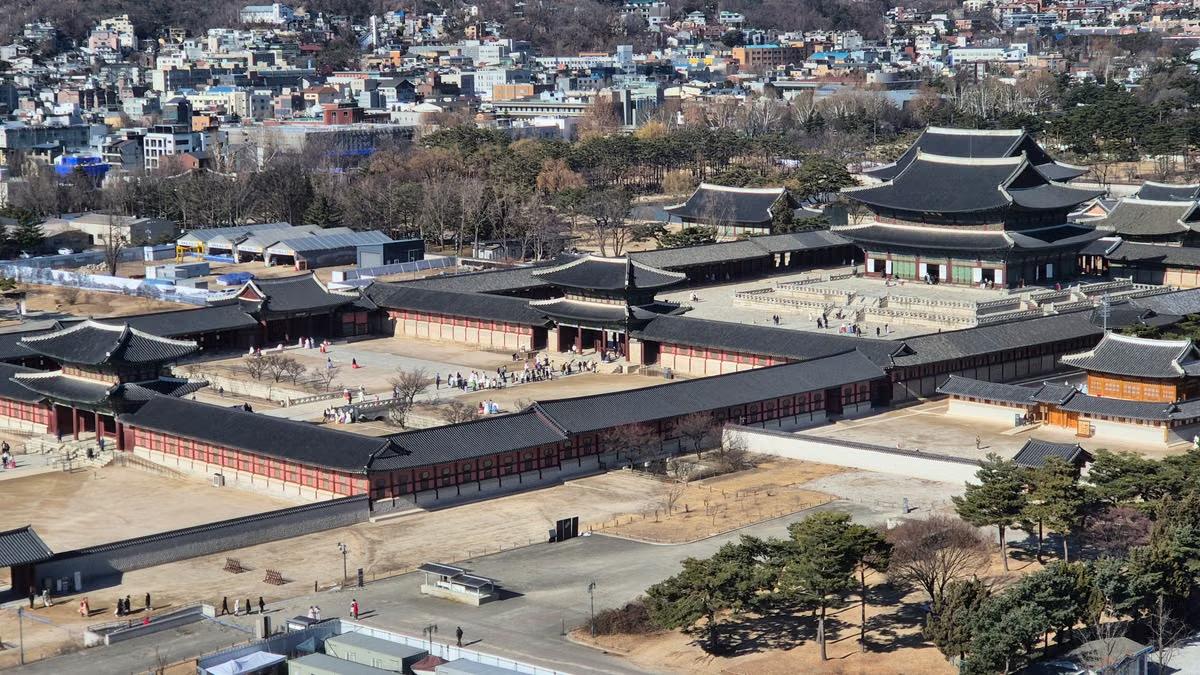
Country Context: South Korea
- Student Visa: Requires a D-2 student visa, applied for with a Certificate of Admission from a Korean university, plus a Certificate of Confirmation of Visa Issuance in many cases.
- Post-Study Work Rights: The D-10 job-seeking visa gives graduates 6 months initially, extendable up to 2 years total; recent graduates of a Korean university can convert directly from D-2 to D-10 without needing to leave the country first.
- Primary Language: Korean, though a growing number of degree programmes, particularly at graduate level, are taught in English; day-to-day life still generally rewards at least conversational Korean.
- Healthcare System: International students are required to enrol in South Korea’s National Health Insurance system, which offers broad, affordable coverage once enrolled.
Key Takeaways
- The D-10 job-seeking visa can extend up to 2 years total and allows direct D-2 to D-10 conversion for recent graduates of Korean universities, a real, practical bridge into local employment.
- Yonsei University’s tuition runs roughly 8.6-17.4 million KRW/year for international undergraduates depending on college, below most comparable Western universities.
- Korean fluency meaningfully expands job prospects even for graduates of English-taught programmes; students serious about staying long-term should prioritise language study early.
- Seoul’s status as a global technology and electronics hub gives STEM and business students real access to major employers directly in the city.
Education
Very Good
Home to several of Asia’s most respected universities, with particular strength in engineering, business, and technology fields backed by close ties to Korea’s major conglomerates.
Cost of Living
Good
Meaningfully more affordable than Tokyo, Hong Kong, or Singapore for rent and daily costs, while still offering a genuine major global-city range of amenities.
Housing
Mixed
Dormitory space is limited relative to demand, and the private rental system (often requiring large upfront deposits) can be confusing for international students navigating it for the first time.
Transportation
Excellent
One of the most efficient, technologically advanced public transit systems in the world, covering the entire metro area reliably and affordably.
Safety
Excellent
Consistently rated one of the safest major cities in the world, including for students out late at night around university areas.
Healthcare
Very Good
An affordable, high-quality healthcare system once enrolled in National Health Insurance, with hospitals that are generally modern and efficient.
Employment & Work Opportunities
Very Good
A global technology and electronics hub gives STEM and business students real access to major employers, though Korean fluency meaningfully expands the realistic range of roles available.
Student Lifestyle
Very Good
A vibrant, safe, and technologically advanced student culture with an active social scene, though academic intensity runs higher than at many Western universities.
Climate
Mixed
Four distinct seasons with a cold, dry winter and a hot, humid summer with a distinct monsoon period; spring and autumn are the most comfortable stretches of the year.
Student Essentials
Monthly Budget
- Accommodation (dorm/goshiwon)850,000 KRW
- Food450,000 KRW
- Transit Pass70,000 KRW
- Phone & Internet50,000 KRW
- Entertainment180,000 KRW
- Total1,600,000 KRW
Working While Studying
- Hours Allowed: Up to 25-30 hours per week during term for D-2 visa holders with a separate work permit (part-time work permission), full-time during official vacations; October 2025 rule changes relaxed some part-time work regulations.
- Common Jobs: English tutoring and campus roles are common early on, with internships at major technology and electronics firms opening up as students build local language skills and connections.
- Tax Notes: International students working in Korea need an Alien Registration Card (ARC) before starting paid work, and income is subject to Korean tax withholding.
Scholarships
Application Routes Worth Knowing
- Global Korea Scholarship (GKS): The South Korean government’s flagship scholarship for international students, covering tuition, a living stipend, and airfare, applied for through Korean embassies or partner universities.
- University Merit Scholarships: Yonsei, Korea University, and other major Seoul universities offer their own merit-based awards for incoming international students, generally considered alongside admission.
- Departmental Research Funding: Graduate students in STEM fields should ask departments directly about assistantships and fellowships, which often aren’t centrally advertised.
Visa Requirements
Yonsei University
One of Korea’s most prestigious private universities, with international undergraduate tuition running roughly 8.6-17.4 million KRW/year depending on college.
- Business
- Engineering
- Medicine
- International Studies
Korea University
A large, highly ranked private university known for strong programmes in law, business, and political science, with an active international student body.
- Law
- Business
- Political Science
- Media & Communication
Kyung Hee University
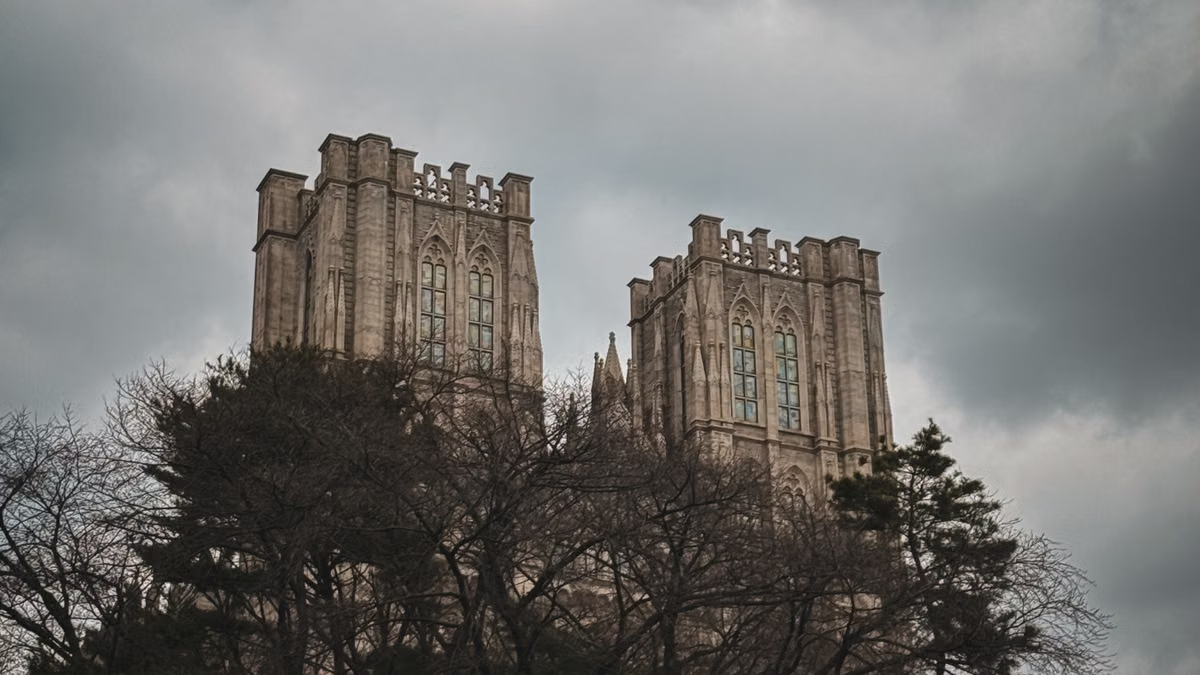
A well-regarded private university known for its distinctive neo-Gothic campus architecture and strong programmes in hospitality and international relations.
- Hospitality Management
- International Relations
- Medicine
- Business
Also in this pillar
University Halls vs Private Renting for Your First Year Abroad
Neighbourhoods to Consider While Studying in Seoul
There’s no single right answer here, so we’ve picked four areas that each do one thing particularly well. Whichever priority matters most to you, cost, lifestyle, space, or commute time, one of these should fit.
Sinchon
Best for Shortest Commute
The district surrounding Yonsei and Ewha, dense with student housing, cafes, and a youthful energy right outside campus gates.
Hongdae
Best for Social & Cultural Life
A lively, music- and art-driven neighbourhood known for its nightlife and street performances, a short subway ride from most major universities.
Sillim
Best for Budget-Conscious Students
A dense student district near Seoul National University with rents generally below the more central areas, well connected by subway.
Ilsan
Best for Grad Students Wanting Space
A quieter, more spacious satellite city connected to Seoul by subway, offering noticeably more room for the money at the cost of a longer commute.
How We Score This
Each category is rated on a five-point scale: Excellent, Very Good, Good, Mixed, or Significant Challenges. We use qualitative bands rather than decimal scores because factors like student lifestyle or housing quality don’t reduce to a single comparable number from any one source. Ratings reflect research across publicly available information, and specific facts such as tuition figures and visa timelines are cited directly where they’re used.
Overall Student Experience Score
Very Good
A strong option for students prioritising affordability and technology-sector access over sheer English-language convenience. The main trade-off to plan around is Korean language proficiency, worth investing in early for students hoping to stay and work after graduation.
Where to Go From Here
-

The Pre-Departure Checklist for International Students
The month before you leave decides how smooth the first month abroad feels. This checklist turns a daunting departure into…
-
The Student’s Guide to Zurich
Low tuition at a world-top-ranked technical university, inside one of the highest-earning, highest-cost cities in the world. Here’s what studying…
-
The Student’s Guide to Tokyo
Internationally ranked universities, unusually affordable tuition, and one of the best transit systems in the world. Here’s what studying in…
-

The Student’s Guide to Toronto
Canada’s largest city pairs a world-class research university with one of the most generous post-study work permits anywhere, inside an…
-
How to Make Your First Weeks Abroad Go Smoothly
The first weeks in a new country set the tone for the whole experience. Here is how to spend them…
-

Health Cover for International Students: What You Actually Need
Health cover is often a visa condition, not an optional extra, and getting it wrong can delay your arrival. Here…