
City Guide · 12 min read
Global academic prestigeThe college systemSmall-town scaleResearch strengthCycling cultureProximity to London
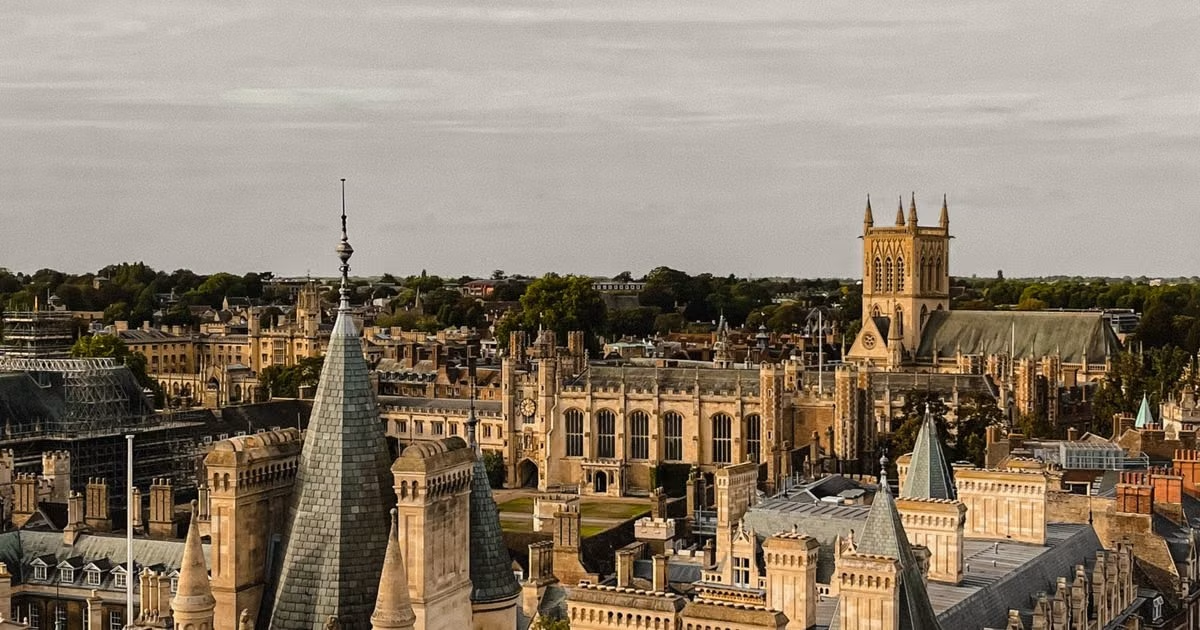
Cambridge is a small, historic city in eastern England built almost entirely around the University of Cambridge, one of the two oldest and most famous universities in the English-speaking world. It combines genuine global academic prestige with a distinctive, centuries-old college system that shapes daily life far more than at most universities, plus an unusually walkable, cycling-friendly town scale and easy rail access into London. The trade-offs: Cambridge is expensive and academically intense relative to most UK cities, and its small-town size means a different social scene than a larger city like London or Manchester.
Country Context: United Kingdom
- Student Visa: Requires a Confirmation of Acceptance for Studies (CAS) from the university and a Student visa application, including a financial and English-language requirement.
- Post-Study Work Rights: The Graduate visa gives 2 years of unrestricted post-study work rights for graduates applying by 31 December 2026, dropping to 18 months from 1 January 2027; doctoral graduates receive 3 years regardless of when they apply.
- Primary Language: English. Instruction, coursework, and daily life all happen in English.
- Healthcare System: International students pay the Immigration Health Surcharge as part of their visa application, which then gives full access to the National Health Service (NHS) for the length of their stay.
Key Takeaways
- Cambridge tuition runs roughly GBP 24,000-63,000/year depending on subject, PLUS a separate College fee, a two-fee structure unique to Oxford and Cambridge that needs budgeting for separately.
- The Graduate visa’s 2-year window (dropping to 18 months from 1 January 2027) gives students a real, unrestricted post-study work runway, so timing your graduation matters.
- Cambridge’s college system shapes accommodation, dining, and social life far more directly than a typical UK university, so understand it before choosing a college.
- The city’s small scale and proximity to London give students both an intense academic environment and easy access to a major capital when needed.
Education
Excellent
One of the two most academically prestigious universities in the world, with genuine research strength across nearly every discipline and a globally recognised degree.
Cost of Living
Mixed
Expensive relative to most UK cities outside London, driven by strong demand for limited housing and amenities in a small city.
Housing
Mixed
College accommodation covers much of the first year or more for many students, but private rental housing in the city is limited and competitive once college housing runs out.
Transportation
Very Good
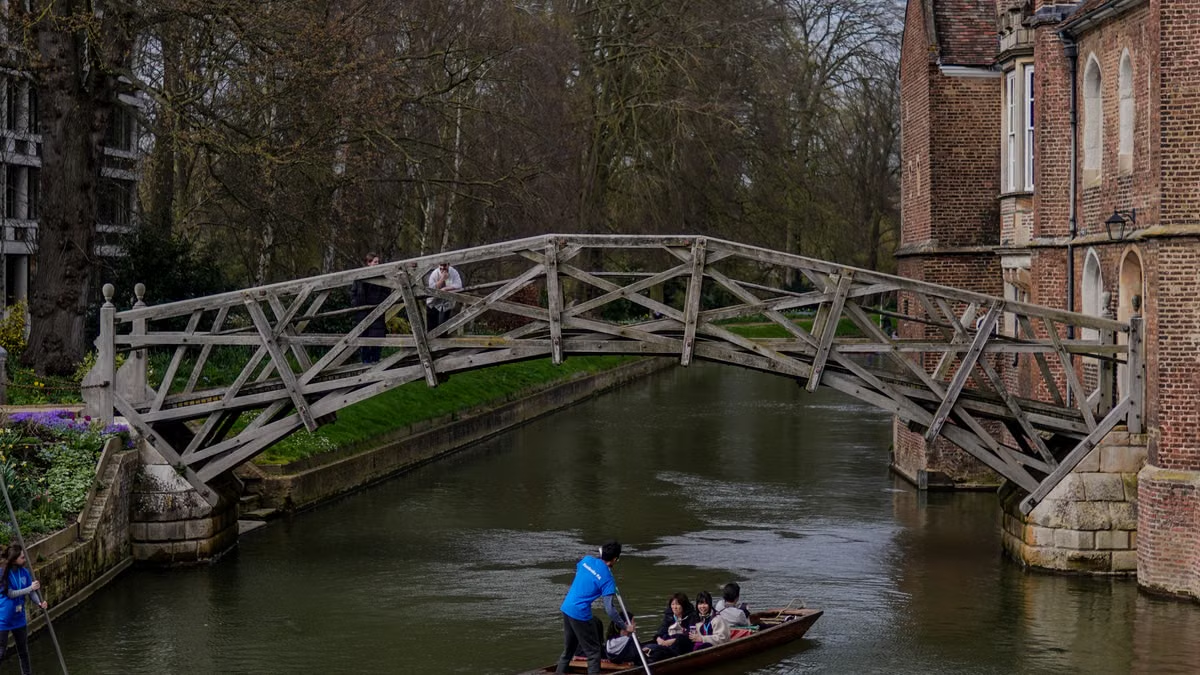
An unusually walkable and cycling-friendly city, with most colleges and faculties within easy cycling distance of each other and of the city centre.
Safety
Excellent
Consistently rated one of the safer university towns in the UK, including throughout the historic college quarter.
Healthcare
Very Good
Full NHS access via the Immigration Health Surcharge, plus most colleges offer their own nurse and welfare support directly on-site.
Employment & Work Opportunities
Good
A smaller local job market than London, but a genuine biotech and life-sciences cluster (the so-called Silicon Fen) gives STEM students real local opportunities, with London under an hour away by train for everything else.
Student Lifestyle
Very Good
The college system creates an unusually close-knit social structure, with traditions, formal dinners, and societies that shape daily life more directly than at most universities.
Climate
Mixed
Mild but often overcast, with cool, damp winters and a short, mild summer, typical of southern England generally.
Student Essentials
Monthly Budget
- Accommodation (college/shared)GBP 750
- FoodGBP 320
- Transport (bike/bus)GBP 40
- Phone & InternetGBP 40
- EntertainmentGBP 140
- TotalGBP 1,290
Working While Studying
- Hours Allowed: Up to 20 hours per week during term for most Student visa holders, full-time during official vacations, though individual colleges may set their own additional guidance on term-time work.
- Common Jobs: College-based roles such as library or porters’ lodge work are common, alongside tutoring and research assistant positions; the Silicon Fen biotech cluster offers real internships for STEM students.
- Tax Notes: International students need a National Insurance number before starting paid work, generally arranged shortly after arrival.
Scholarships
Application Routes Worth Knowing
- Cambridge Trust Scholarships: The university’s own dedicated funding body for international students, covering a range of full and partial awards across both undergraduate and postgraduate study.
- Gates Cambridge Scholarship: A highly competitive, fully funded postgraduate scholarship for outstanding international students, applied for as part of the graduate admissions process.
- College-Specific Bursaries: Many individual colleges offer their own bursaries and hardship funds on top of university-wide awards, worth checking directly with your specific college once admitted.
Visa Requirements
University of Cambridge
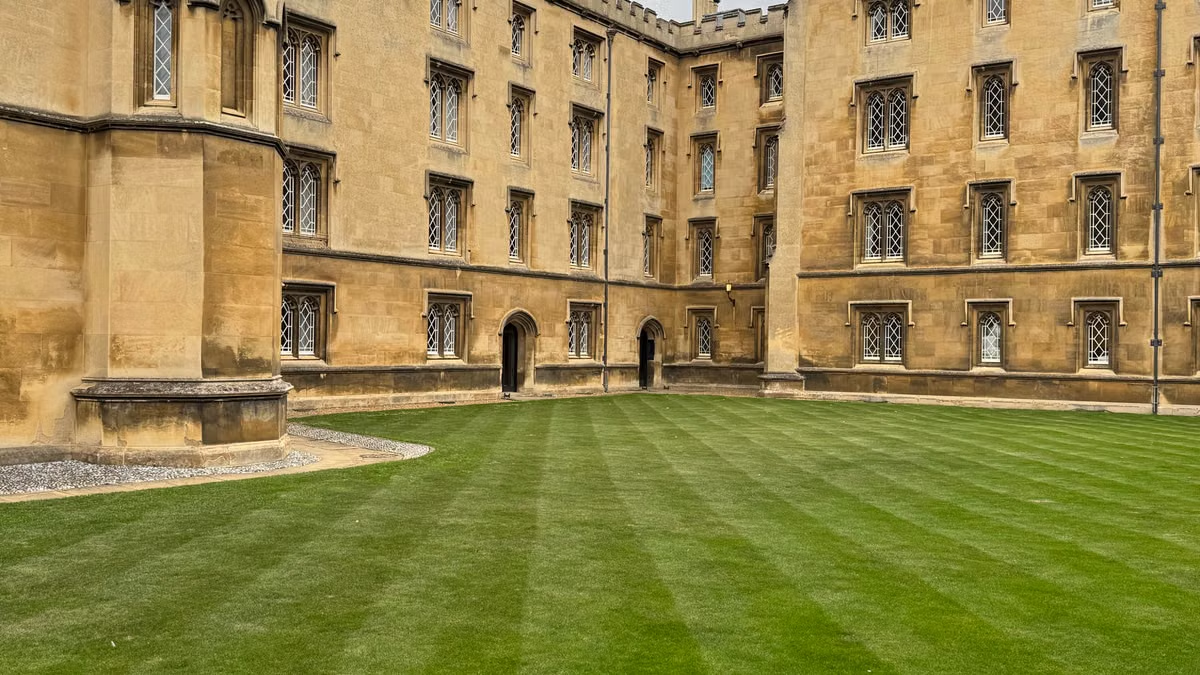
One of the two oldest universities in the English-speaking world, with tuition running roughly GBP 24,000-63,000/year depending on subject, plus a separate College fee on top.
- Natural Sciences
- Mathematics
- Engineering
- Law
Anglia Ruskin University
A large, more accessible public university in the same city, offering practical, career-focused programmes at a noticeably lower cost than the collegiate university.
- Business
- Nursing
- Computing
- Art & Design
Cranfield University (nearby)
A specialist postgraduate institution roughly an hour away, known for close industry links in aerospace, manufacturing, and management, popular with students wanting applied postgraduate study.
- Aerospace Engineering
- Management
- Manufacturing
- Environment & Agrifood
Also in this pillar
University Halls vs Private Renting for Your First Year Abroad
Neighbourhoods to Consider While Studying in Cambridge
There’s no single right answer here, so we’ve picked four areas that each do one thing particularly well. Whichever priority matters most to you, cost, lifestyle, space, or commute time, one of these should fit.
City Centre / Historic Core
Best for Shortest Commute
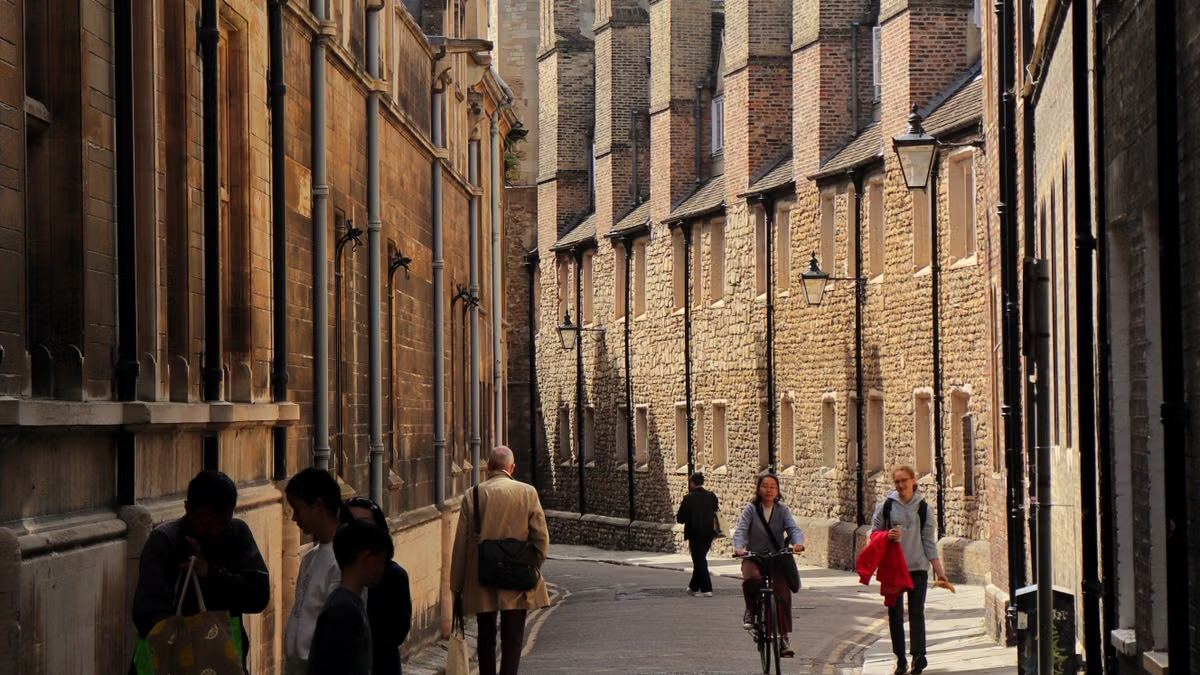
The area directly around the colleges themselves, walkable or a short cycle to lectures, though housing here is limited mostly to college accommodation.
Mill Road
Best for Social & Cultural Life
A diverse, independent-shop-and-restaurant-lined street popular with graduate students wanting real neighbourhood character close to the centre.
Cherry Hinton
Best for Budget-Conscious Students
A more affordable residential area on the edge of the city, connected to the centre by bus and a manageable cycle ride.
Trumpington
Best for Grad Students Wanting Space
A quieter, more spacious southern suburb with newer housing stock, connected to the centre by the guided busway, at the cost of a longer commute.
How We Score This
Each category is rated on a five-point scale: Excellent, Very Good, Good, Mixed, or Significant Challenges. We use qualitative bands rather than decimal scores because factors like student lifestyle or housing quality don’t reduce to a single comparable number from any one source. Ratings reflect research across publicly available information, and specific facts such as tuition figures and visa timelines are cited directly where they’re used.
Overall Student Experience Score
Excellent
An outstanding option for students prioritising global academic prestige and a distinctive college experience, backed by real post-study work rights and easy access to London. The main trade-off to plan around is cost, both the two-fee tuition structure and the city’s high demand for limited housing.
Where to Go From Here
-

The Student’s Guide to Seoul
A genuine global technology hub, tuition well below Western universities, and a dedicated job-seeking visa for graduates. Here’s what studying…
-

The Student’s Guide to Boston
Home to more world-ranked universities per square mile than almost anywhere else, and a genuine research and biotech pipeline to…
-

The Pre-Departure Checklist for International Students
The month before you leave decides how smooth the first month abroad feels. This checklist turns a daunting departure into…
-

The Student’s Guide to Chicago
A world-class research university, genuine architectural grandeur, and a cost of living well below the coasts. Here’s what studying in…
-

The Student’s Guide to Paris
Remarkably low public university fees, a genuine year to job-hunt after graduation, and one of the world’s great cities as…
-

The Student’s Guide to Singapore
Some of Asia’s top-ranked universities, exceptional safety, and a global business hub. Here’s what studying in Singapore looks like, including…