

City Guide · 12 min read
LiveabilityOpen post-study work rightsCoffee and food culturePublic transitResearch strengthA large, international student community
Melbourne is Australia’s second-largest city and has repeatedly ranked among the world’s most liveable cities, home to the University of Melbourne, the country’s top-ranked and most research-intensive university. It combines an open post-study work visa, a famously strong coffee and food culture, and a large, established international student community that makes settling in easier than in many other study destinations. The trade-offs: tuition and living costs run high by global standards, and the sheer distance from most of the world means travel home is a real, ongoing cost to plan around.
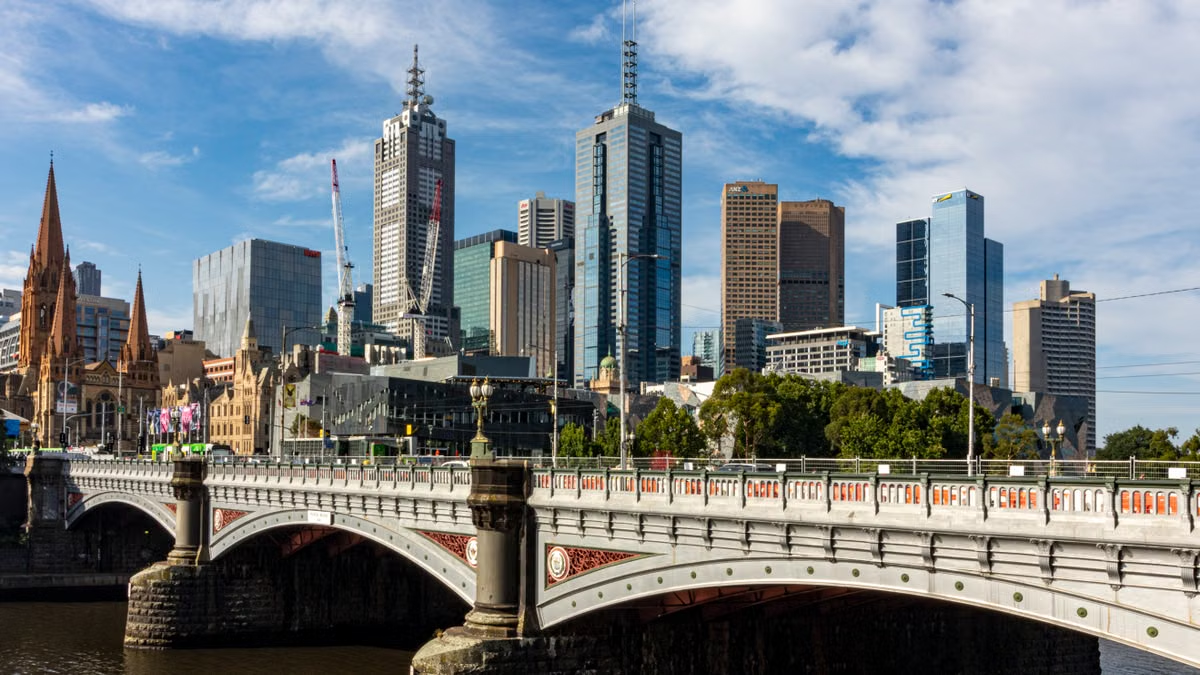
Country Context: Australia
- Student Visa: Requires a Confirmation of Enrolment (CoE) from the university and a Subclass 500 Student visa application, including financial and health-insurance requirements.
- Post-Study Work Rights: The Subclass 485 Temporary Graduate visa gives 2 years of open work rights for bachelor’s graduates, 3 years for master’s, and 4 years for PhD, requiring at least 92 weeks of study completed in Australia; most applicants must be under 35 at the time of application.
- Primary Language: English. Instruction, coursework, and daily life all happen in English.
- Healthcare System: International students are required to hold Overseas Student Health Cover (OSHC) for the length of their visa, generally arranged through the university or an approved provider.
Key Takeaways
- The Subclass 485 visa gives open work rights, 2 to 4 years depending on degree level, one of the more generous post-study routes available.
- University of Melbourne tuition ranges roughly AUD 38,000-58,000/year for international undergraduates, varying sharply by faculty.
- Melbourne’s consistent ranking as one of the world’s most liveable cities reflects a real combination of safety, culture, and public transit, not just marketing.
- Distance from most of the world is a genuine, ongoing cost, factor regular flights home into the overall budget, not just tuition and living expenses.
Education
Excellent
Home to Australia’s top-ranked and most research-intensive university, with genuine global strength across medicine, law, and the sciences.
Cost of Living
Mixed
Expensive by global standards, though somewhat below Sydney for a broadly comparable range of amenities and lifestyle.
Housing
Mixed
Strong demand for student housing near the main campuses; students who look toward the outer suburbs, well connected by tram and train, find real savings.
Transportation
Very Good
An extensive tram network, the largest in the world by route length, covers the city thoroughly alongside a reliable train and bus system.
Safety
Very Good
Consistently rated one of the safer major global cities, including in and around the main university and inner-city areas.
Healthcare
Very Good
A strong public and private healthcare system, with Overseas Student Health Cover giving international students genuine, reliable access throughout their studies.
Employment & Work Opportunities
Very Good
A diverse economy spanning finance, health, education, and technology gives students real internship and graduate-role access, backed by the open Subclass 485 visa.
Student Lifestyle
Excellent
A famously strong coffee, food, and arts culture, plus one of the largest and most established international student communities of any global study destination.
Climate
Mixed
Famously changeable, four seasons in a day is a genuine local saying, with a mild-to-hot summer and a cool, wet winter.
Student Essentials
Monthly Budget
- Accommodation (shared/dorm)AUD 1,500
- FoodAUD 480
- Transit (Myki)AUD 160
- Phone & InternetAUD 65
- EntertainmentAUD 190
- TotalAUD 2,395
Working While Studying
- Hours Allowed: Up to 48 hours per fortnight during term for Subclass 500 student visa holders, unlimited hours during official study breaks.
- Common Jobs: Hospitality and retail roles are common early on, especially given Melbourne’s large cafe culture, with internships opening up in finance, health, and technology as students progress.
- Tax Notes: International students working in Australia need a Tax File Number (TFN) before starting paid work, and must file an annual tax return.
Scholarships
Application Routes Worth Knowing
- Melbourne International Undergraduate Scholarship: The university’s own merit-based award for incoming international undergraduates, generally considered automatically alongside admission.
- Australia Awards: The Australian government’s scholarship programme for students from specific partner countries, applied for through the relevant country-specific process rather than the university.
- Faculty-Specific Scholarships: Many faculties run their own scholarships for international students; worth checking each faculty’s own admissions page directly rather than assuming one central list covers everything.
Visa Requirements
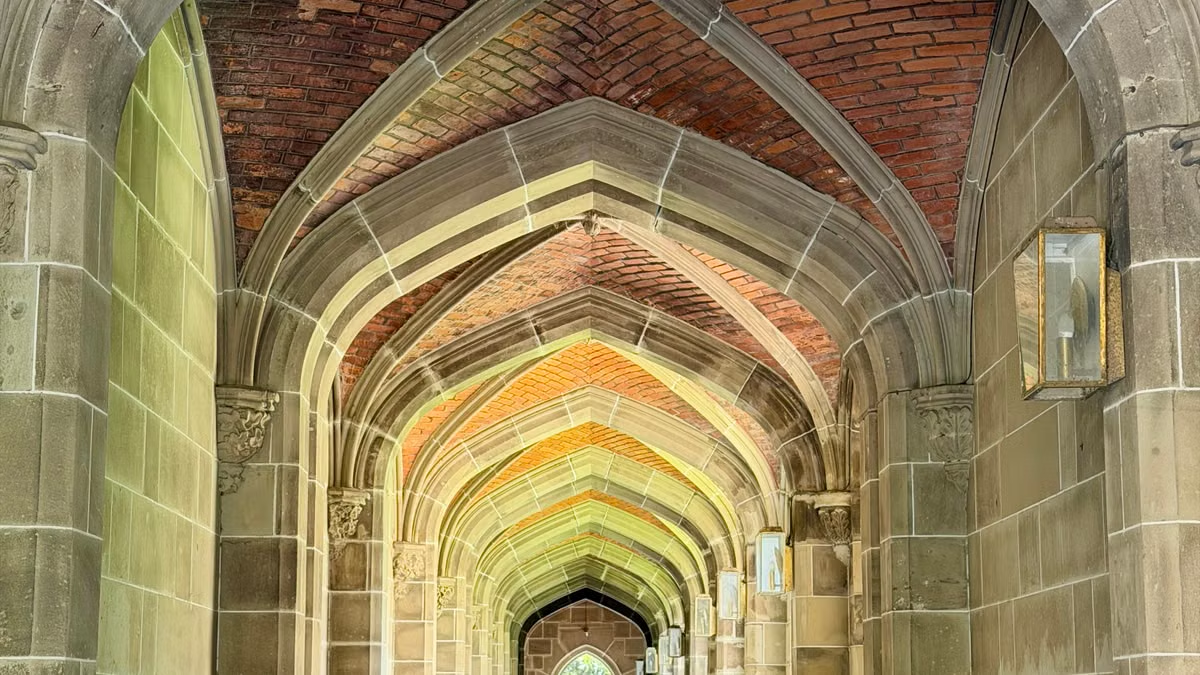
University of Melbourne
Australia’s highest-ranked and most research-intensive university, with international undergraduate tuition ranging roughly AUD 38,000-58,000/year depending on faculty.
- Medicine
- Law
- Commerce
- Engineering
Monash University
One of Australia’s largest universities, with an international student body and strong programmes in business, pharmacy, and engineering across multiple campuses.
- Business
- Pharmacy
- Engineering
- IT
RMIT University
A large, city-centre university known for strong industry links in design, technology, and the built environment, popular with students wanting a more applied focus.
- Design
- Architecture
- IT
- Business

Neighbourhoods to Consider While Studying in Melbourne
There’s no single right answer here, so we’ve picked four areas that each do one thing particularly well. Whichever priority matters most to you, cost, lifestyle, space, or commute time, one of these should fit.
Carlton
Best for Shortest Commute
The neighbourhood directly surrounding the University of Melbourne, walkable to campus, with a dense concentration of student housing and cafes.
Fitzroy & Collingwood
Best for Social & Cultural Life
A pair of lively, formerly industrial inner-city neighbourhoods known for their arts and nightlife scene, a short tram ride from most campuses.
Footscray
Best for Budget-Conscious Students
A diverse, up-and-coming western neighbourhood with rents generally below the inner north, well connected by train into the city centre.
Brunswick
Best for Grad Students Wanting Space
A slightly further-out northern suburb offering noticeably more space for the money, connected by tram, at the cost of a longer commute.
How We Score This
Each category is rated on a five-point scale: Excellent, Very Good, Good, Mixed, or Significant Challenges. We use qualitative bands rather than decimal scores because factors like student lifestyle or housing quality don’t reduce to a single comparable number from any one source. Ratings reflect research across publicly available information, and specific facts such as tuition figures and visa timelines are cited directly where they’re used.
Overall Student Experience Score
Excellent
An outstanding option for students prioritising liveability and genuine post-study work flexibility at a top-tier research university. The main trade-off to plan around is cost, both tuition and the ongoing expense of travel given Australia’s distance from most of the world.
Where to Go From Here
-

The Student’s Guide to Hong Kong
World-ranked universities, one of the most generous post-study work visas in Asia, and a global finance hub. Here’s what studying…
-

The Student’s Guide to Paris
Remarkably low public university fees, a genuine year to job-hunt after graduation, and one of the world’s great cities as…
-

University Halls vs Private Renting for Your First Year Abroad
For your first year in a new country, where you live shapes almost everything else. Here is an honest comparison…
-

Health Cover for International Students: What You Actually Need
Health cover is often a visa condition, not an optional extra, and getting it wrong can delay your arrival. Here…
-

How Do I Handle Culture Shock When I Move Abroad?
Culture shock is not a sign you made the wrong choice; it is the normal arc of moving your whole…
-

The Student’s Guide to Toronto
Canada’s largest city pairs a world-class research university with one of the most generous post-study work permits anywhere, inside an…