
City Guide · 12 min read
Post-study work flexibilityEnglish-taught programmesCycling cultureCentral European accessTech and start-up sceneA compact, walkable capital
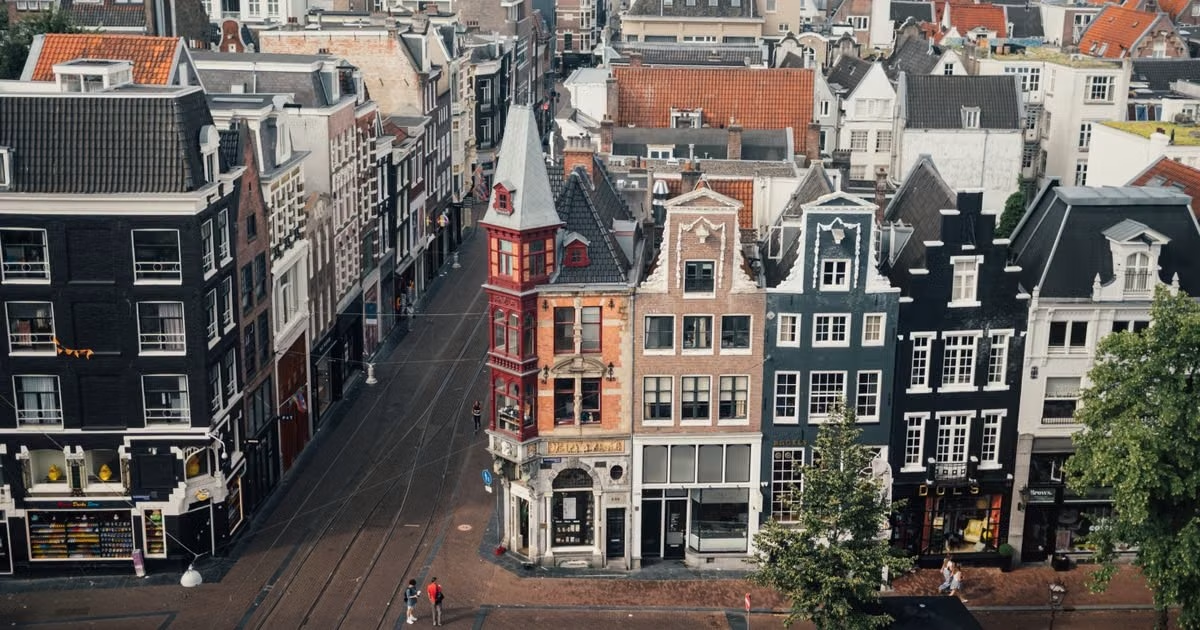
Amsterdam is the capital and largest city of the Netherlands, home to the University of Amsterdam and Vrije Universiteit, both offering a wide range of English-taught programmes. It combines one of the most open post-study work permits in Europe, a compact, cycling-friendly city scale, and near-universal English fluency that makes daily life easy for international students. The trade-offs: student housing is in real, acute short supply, and tuition, while lower than the US or UK, runs meaningfully higher than at Lisbon’s or Zurich’s universities.
Country Context: Netherlands
- Student Visa: Non-EU/EEA students generally need both an entry visa (MVV) and a residence permit, usually arranged together through the university on the student’s behalf.
- Post-Study Work Rights: The orientation year (zoekjaar) permit gives graduates 1 full year of unrestricted access to the Dutch labour market, no employer sponsorship or job offer required to apply, as long as it’s requested within 3 years of completing studies.
- Primary Language: Dutch, though a large share of university programmes are taught entirely in English, and English fluency among the Dutch population is among the highest in the world.
- Healthcare System: International students working part-time are generally required to take out Dutch public health insurance; those not working typically need private international student insurance instead.
Key Takeaways
- The orientation year permit is unrestricted, no job offer or employer sponsorship needed to apply, one of the more open post-study routes in Europe.
- University of Amsterdam tuition for non-EU students runs roughly EUR 12,010-23,400/year depending on faculty, a real range worth checking per programme.
- Student housing is in acute short supply in Amsterdam; securing accommodation early, ideally before arrival, matters more here than in most European cities.
- Near-universal English fluency makes daily life and job-hunting easier here than in most non-English-speaking countries.
Education
Very Good
The University of Amsterdam and Vrije Universiteit both offer genuine research strength and a wide range of English-taught programmes across most disciplines.
Cost of Living
Mixed
Meaningfully cheaper than London or Zurich, though still an expensive Western European capital for rent and daily costs.
Housing
Significant Challenges
Student housing is in acute short supply relative to demand; students who don’t secure accommodation early, ideally before arrival, face a difficult private rental market.
Transportation
Excellent
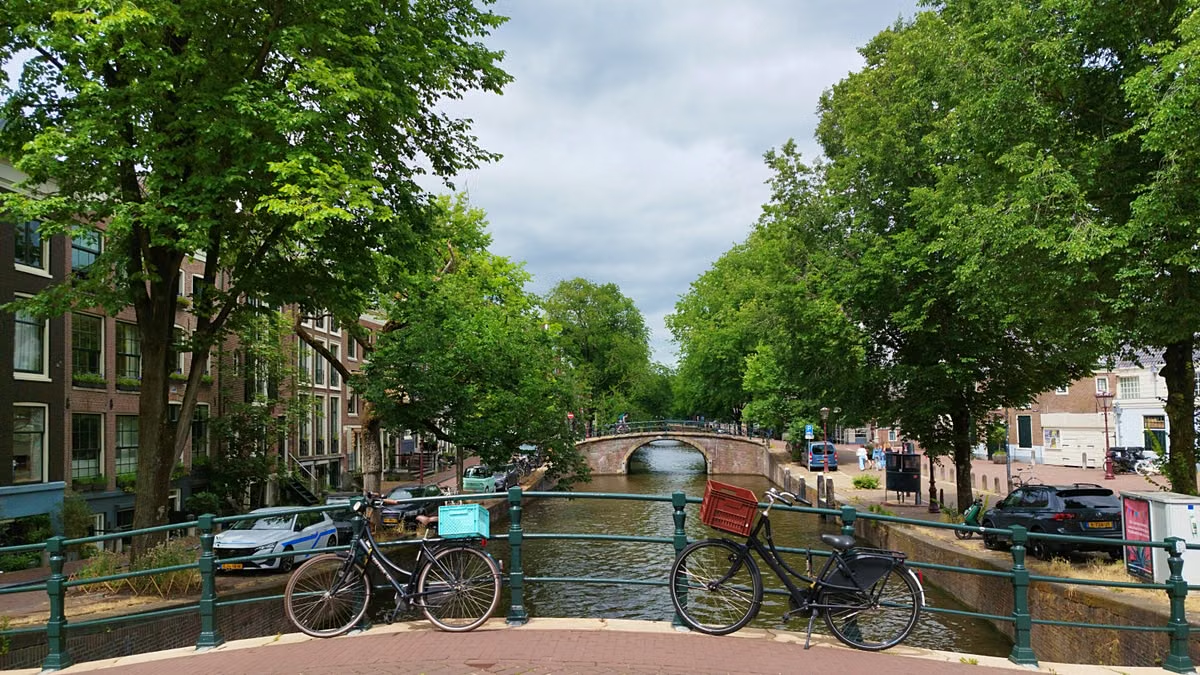
One of the most cycling-friendly cities in the world, backed by an efficient tram, bus, and metro network for anything beyond cycling distance.
Safety
Very Good
Generally safe throughout the main university and central areas, with the usual sensible precautions around the busiest nightlife districts late at night.
Healthcare
Very Good
A well-regarded, reliable healthcare system, with insurance requirements that depend on whether a student is also working part-time.
Employment & Work Opportunities
Very Good
An active tech and start-up scene, plus a major logistics and finance hub, gives students real internship access, backed by the open orientation-year permit after graduation.
Student Lifestyle
Very Good
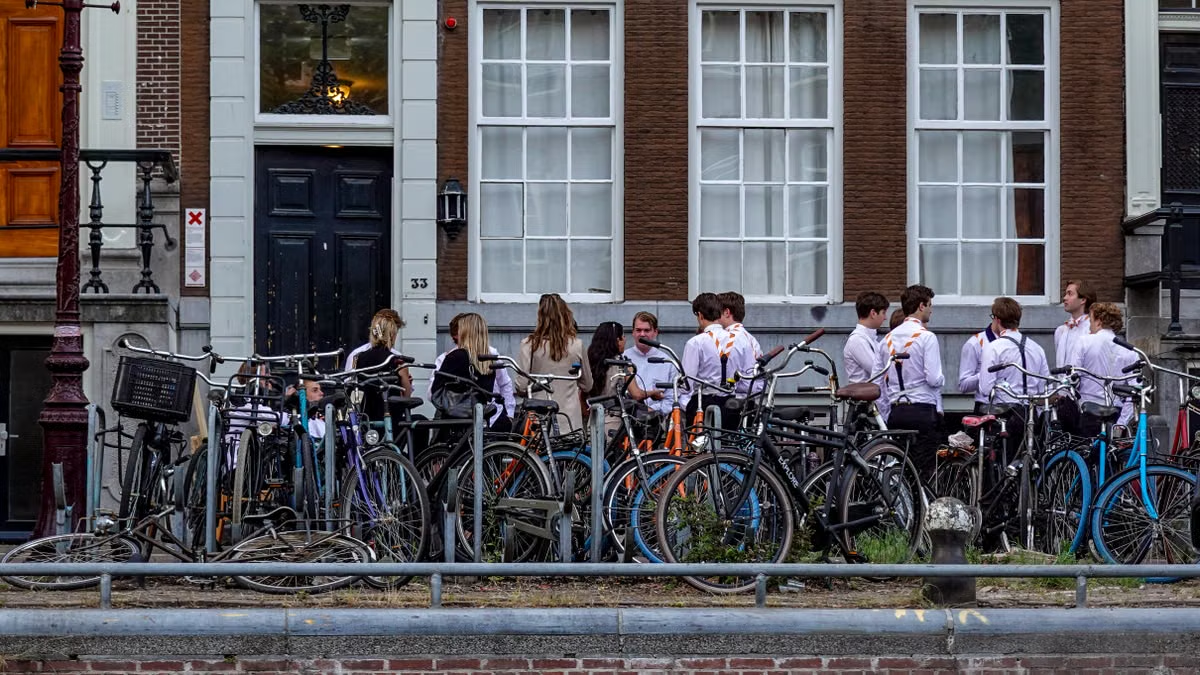
A compact, walkable, cycling-first capital with a large international student community and easy weekend access to the rest of Western Europe.
Climate
Mixed
Mild but often grey and rainy, with a cool winter and a mild summer, typical of the Northern European coast generally.
Student Essentials
Monthly Budget
- Accommodation (shared/dorm)EUR 800
- FoodEUR 320
- Transit / Bike MaintenanceEUR 50
- Phone & InternetEUR 40
- EntertainmentEUR 160
- TotalEUR 1,370
Working While Studying
- Hours Allowed: Non-EU/EEA students can generally work part-time with a work permit (TWV) arranged by their employer, or full-time during official summer holidays.
- Common Jobs: Hospitality and retail roles are common early on, with internships in tech and start-ups opening up as students build local connections through Amsterdam’s active start-up scene.
- Tax Notes: Anyone working in the Netherlands needs a BSN (citizen service number), typically arranged shortly after registering an address with the local municipality.
Scholarships
Application Routes Worth Knowing
- Amsterdam Merit Scholarship: University of Amsterdam’s own award for outstanding non-EU/EEA students, covering a significant portion of tuition, applied for as part of the admissions process.
- Holland Scholarship: A national scholarship for non-EEA students admitted to a Dutch research university, applied for directly through the receiving university rather than centrally.
- Erasmus+ and EU Exchange Funding: EU and partner-country students may access Erasmus+ mobility funding for exchange or short study periods, applied for through the home institution.
Visa Requirements
University of Amsterdam
The Netherlands’ largest research university, with non-EU/EEA tuition running roughly EUR 12,010-23,400/year depending on faculty, and a wide range of English-taught programmes.
- Social Sciences
- Economics
- Law
- Humanities
Vrije Universiteit Amsterdam
A large public research university known for strong programmes in business, life sciences, and artificial intelligence, with a similarly wide range of English-taught degrees.
- Business
- Life Sciences
- Artificial Intelligence
- Law
Amsterdam University of Applied Sciences (AUAS)
A practically oriented university offering career-focused degrees with strong industry ties, popular with students wanting a more applied alternative to the research universities.
- Business
- Media & Design
- Engineering
- Sport & Nutrition
Also in this pillar
University Halls vs Private Renting for Your First Year Abroad
Neighbourhoods to Consider While Studying in Amsterdam
There’s no single right answer here, so we’ve picked four areas that each do one thing particularly well. Whichever priority matters most to you, cost, lifestyle, space, or commute time, one of these should fit.
Oude Zijde / City Centre
Best for Shortest Commute
The historic core surrounding much of the University of Amsterdam’s city-centre buildings, walkable or a short cycle to most lecture halls.
De Pijp
Best for Social & Cultural Life
A lively, diverse neighbourhood known for its market, independent cafes, and dense concentration of student and young-professional life.
Amsterdam Nieuw-West
Best for Budget-Conscious Students
A more affordable western district with rents generally below the central canal ring, connected by tram and metro into the university areas.
Amstelveen
Best for Grad Students Wanting Space
A quieter, greener suburb just south of the city, connected by tram, offering noticeably more space for the money at the cost of a longer commute.
How We Score This
Each category is rated on a five-point scale: Excellent, Very Good, Good, Mixed, or Significant Challenges. We use qualitative bands rather than decimal scores because factors like student lifestyle or housing quality don’t reduce to a single comparable number from any one source. Ratings reflect research across publicly available information, and specific facts such as tuition figures and visa timelines are cited directly where they’re used.
Overall Student Experience Score
Very Good
A strong option for students prioritising post-study work flexibility and English-taught education inside a compact, liveable European capital. The main trade-off to plan around is housing, secure it early, ideally before arrival, given how tight the local market is.
Where to Go From Here
-

The Student’s Guide to Seoul
A genuine global technology hub, tuition well below Western universities, and a dedicated job-seeking visa for graduates. Here’s what studying…
-

The Student’s Guide to Boston
Home to more world-ranked universities per square mile than almost anywhere else, and a genuine research and biotech pipeline to…
-

The Student’s Guide to Hong Kong
World-ranked universities, one of the most generous post-study work visas in Asia, and a global finance hub. Here’s what studying…
-

The Student’s Guide to San Diego
Year-round sunshine, a genuine biotech and life-sciences cluster, and one of the strongest public research universities on the West Coast.…
-
The Student’s Guide to Chicago
A world-class research university, genuine architectural grandeur, and a cost of living well below the coasts. Here’s what studying in…
-

The Student’s Guide to Dublin
A English-speaking gateway to the EU, strong universities, and a real path to stay and work after graduation. Here’s what…