
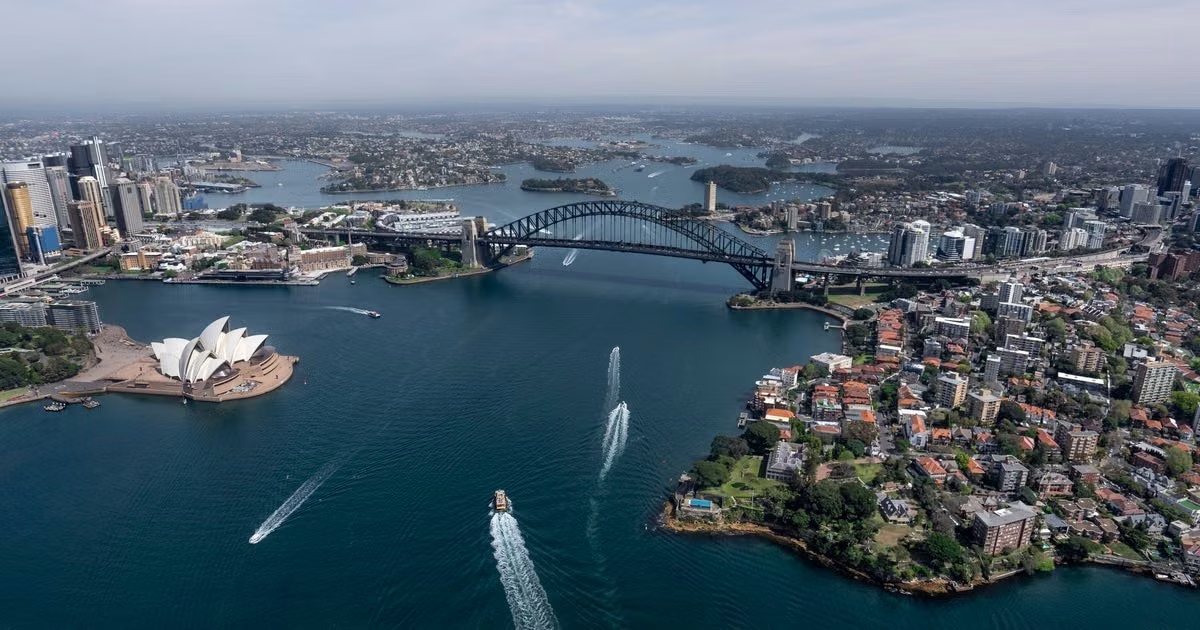
City Guide · 12 min read
Post-study work rightsWorld-class universitiesBeach and outdoor lifestyleSafetyAn English-speaking gateway to Asia-PacificWarm climate
Sydney is Australia’s largest city and its economic heart, home to the University of Sydney and UNSW Sydney, both globally ranked, alongside UTS and others. It pairs a genuine post-study work route with a spectacular harbour-and-beach lifestyle, a warm climate, strong safety, and an English-speaking gateway to the Asia-Pacific. The catch is cost: Sydney has one of the most expensive housing markets in the world, so accommodation will dominate a student’s budget, and tuition is high, though the quality of life and post-study opportunities are correspondingly strong.
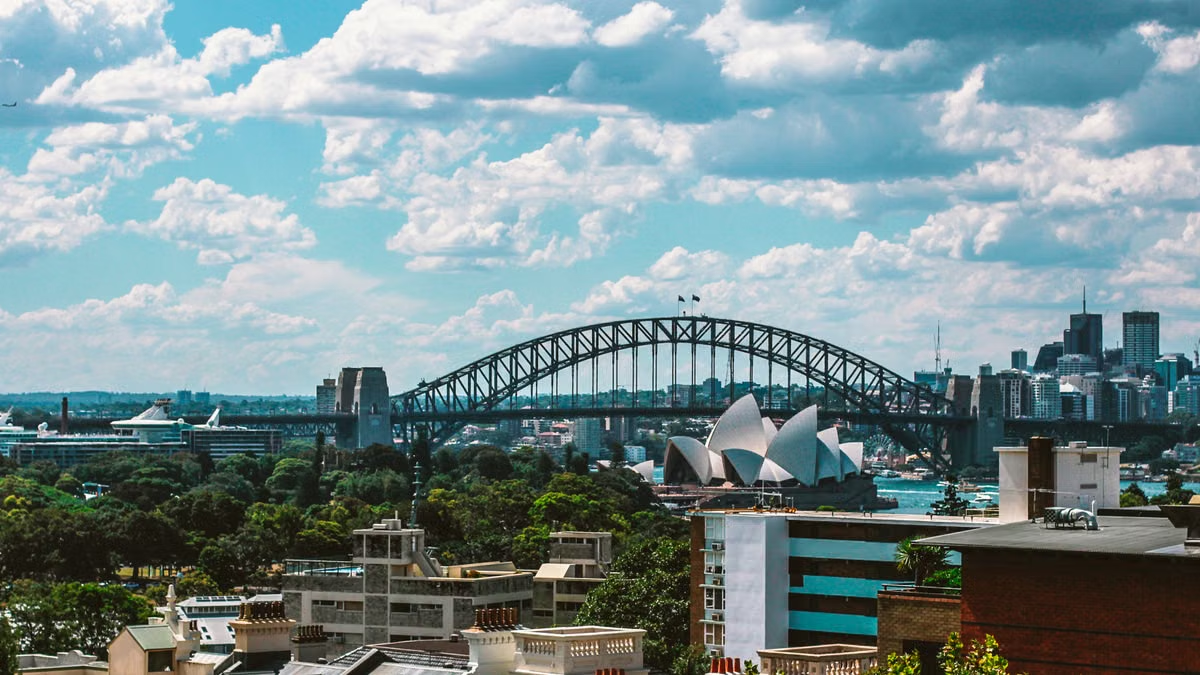
Country Context: Australia
- Student Visa: International students study on a Student visa (subclass 500), applied for after a confirmation of enrolment; Overseas Student Health Cover (OSHC) is mandatory for the full duration of the visa.
- Post-Study Work Rights: The Temporary Graduate visa (subclass 485) allows post-study work of roughly two years for a bachelor’s or coursework master’s, three for a research master’s, and four for a doctorate, with longer periods for some degrees on the Eligible Qualifications List.
- Primary Language: English, in a highly multicultural, immigration-shaped city with very large international student and migrant communities, so newcomers rarely feel out of place.
- Healthcare System: Australia has public healthcare (Medicare), but most international students are not covered and instead rely on their mandatory OSHC for medical costs throughout their studies.
Key Takeaways
- The subclass 485 graduate visa offers a genuine post-study work route, roughly two to four years depending on your qualification, a major draw of studying in Australia.
- Tuition is high: the University of Sydney runs roughly AUD 49,200-97,000/year and UNSW roughly AUD 45,500-95,500/year depending on programme.
- Housing is the defining challenge: Sydney has one of the world’s most expensive rental markets, so plan accommodation early and expect to share.
- OSHC health cover is mandatory for the whole student visa, an essential cost to budget for from the start.
Education
Excellent
The University of Sydney and UNSW are both globally top-ranked, with UTS and others adding strong, industry-connected options across most disciplines.
Cost of Living
Significant Challenges
One of the most expensive cities in the world, driven above all by housing; daily costs are high too, so a student budget must be planned carefully around that reality.
Housing
Significant Challenges
Among the priciest and tightest rental markets globally; most students share, and securing accommodation early, ideally before arrival, matters more here than almost anywhere.
Transportation
Very Good
An extensive train, bus, ferry, and light-rail network on the tap-and-go Opal card connects the city and suburbs well, making a car unnecessary for most students.
Safety
Very Good
A generally very safe major city with comfortable student areas, needing only the usual big-city awareness in a few nightlife districts late at night.
Healthcare
Very Good
A strong healthcare system, though international students rely on their mandatory OSHC rather than Medicare, so understanding what it covers matters.
Employment & Work Opportunities
Very Good
Australia’s financial and business capital, with strong finance, tech, and professional sectors, giving students real internship and graduate access, backed by the 485 graduate visa.
Student Lifestyle
Excellent
A harbour-and-beach city with an outdoor, sociable culture, world-famous beaches, and a huge international student community make Sydney a genuinely enjoyable place to study.
Climate
Very Good
A warm, temperate climate with plenty of sunshine, hot summers and mild winters, well suited to the outdoor, beach-focused lifestyle the city is built around.
Student Essentials
Monthly Budget
- Accommodation (shared room)AUD 1,300
- FoodAUD 450
- Transit (Opal card)AUD 50
- Phone & InternetAUD 45
- EntertainmentAUD 250
- TotalAUD 2,095
Working While Studying
- Hours Allowed: Student visa holders can generally work a capped number of hours per fortnight during term and unlimited hours during scheduled breaks, subject to current rules, so check the latest cap.
- Common Jobs: Hospitality, retail, and tutoring are common early on, with internships and professional placements opening up as students build experience toward the 485 graduate visa.
- Tax Notes: Working students need a Tax File Number (TFN) and pay Australian tax; international students have specific rules, so it’s worth understanding your status early.
Scholarships
Application Routes Worth Knowing
- University International Scholarships: The University of Sydney and UNSW both offer international scholarships and fee reductions for strong applicants, applied for as part of or alongside admission.
- Australia Awards and Government Scholarships: Australia Awards and similar government scholarships support students from eligible countries; many students also draw on home-country government funding.
- Research and Departmental Funding: Graduate research students often access scholarships and stipends, and some departments offer funded places that can substantially offset costs.
Visa Requirements
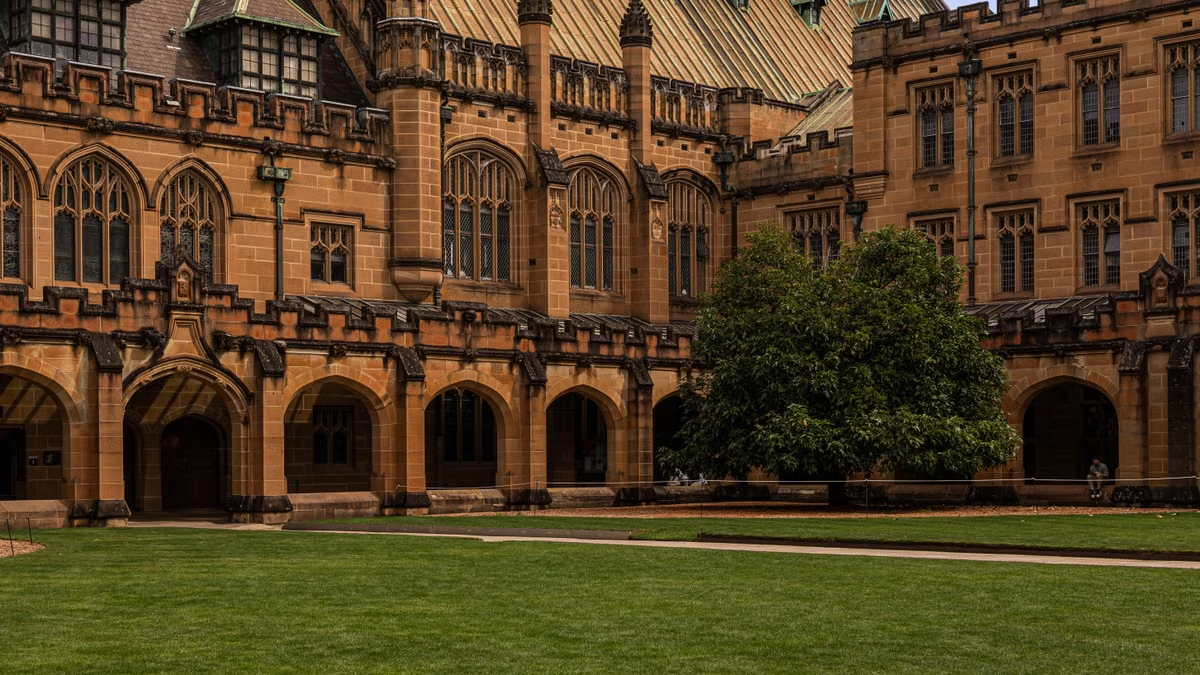
University of Sydney
Australia’s oldest university and globally top-ranked, with international undergraduate tuition roughly AUD 49,200-97,000/year depending on programme, strong across most disciplines.
- Medicine
- Law
- Business
- Engineering
UNSW Sydney
A globally ranked research university with tuition roughly AUD 45,500-95,500/year depending on programme, especially strong in engineering, business, and the sciences.
- Engineering
- Business
- Computer Science
- Sciences
University of Technology Sydney (UTS)
A modern, industry-focused university in the city centre, known for design, IT, and business, and popular with students wanting a practical, connected education.
- Design
- IT
- Business
- Communication
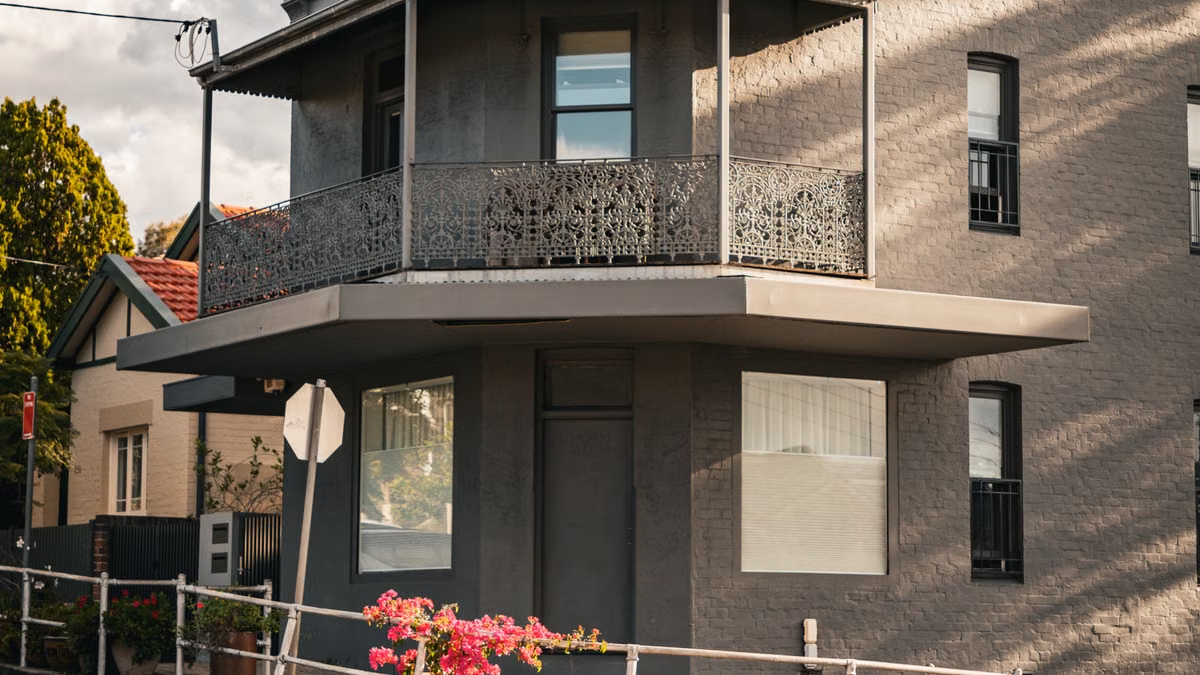
Neighbourhoods to Consider While Studying in Sydney
There’s no single right answer here, so we’ve picked four areas that each do one thing particularly well. Whichever priority matters most to you, cost, lifestyle, space, or commute time, one of these should fit.
Newtown / Glebe
Best for Shortest Commute
The lively inner-west neighbourhoods next to the University of Sydney, walkable to campus and packed with cafes and student life, though rents reflect their appeal.
Surry Hills / Darlinghurst
Best for Social & Cultural Life
Central, fashionable districts full of bars, restaurants, and nightlife, close to the city and buzzing, and among the pricier areas to live.
Kensington / Randwick
Best for Budget-Conscious Students
The areas around UNSW in the eastern suburbs, close to the beaches and better value than the harbour-side hotspots, popular with students at that campus.
Inner West (Marrickville / Dulwich Hill)
Best for Grad Students Wanting Space
Diverse, characterful inner-west suburbs offering more space and a strong local scene for the money, connected by train and light rail into the university areas.
How We Score This
Each category is rated on a five-point scale: Excellent, Very Good, Good, Mixed, or Significant Challenges. We use qualitative bands rather than decimal scores because factors like student lifestyle or housing quality don’t reduce to a single comparable number from any one source. Ratings reflect research across publicly available information, and specific facts such as tuition figures and visa timelines are cited directly where they’re used.
Overall Student Experience Score
Excellent
An outstanding choice for students who want world-class universities, a genuine post-study work route, and an unbeatable harbour-and-beach lifestyle, and who can plan around very high costs. Housing and tuition are the trade-offs to manage: budget honestly, secure accommodation early, and factor in mandatory OSHC.