
City Guide · 12 min read
Tech and engineering careersA strong public universityOutdoor accessSTEM internshipsA greener, calmer big cityCoffee and creative culture
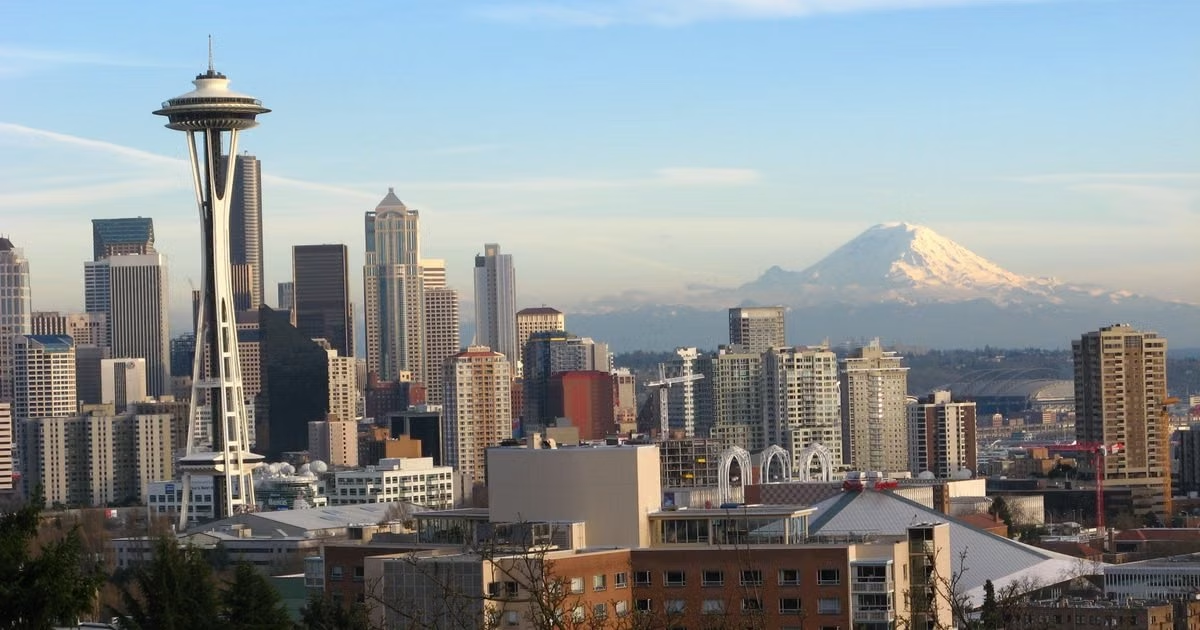
Seattle is the largest city in the US Pacific Northwest and a major technology hub, home to Amazon and, just across Lake Washington, Microsoft, alongside the University of Washington, one of the country’s leading public research universities. It offers strong tech and STEM internship access, spectacular access to mountains and water, and a calmer, greener feel than California’s big cities, at a cost of living that is real but more manageable than San Francisco or New York. The main trade-offs are a famously grey, rainy climate and rents that, while lower than the Bay Area, are still on the higher side.

Country Context: United States
- Student Visa: Most international students study on an F-1 visa, applied for after receiving an I-20 from a SEVP-approved university and paying the SEVIS fee, then attending a consular interview.
- Post-Study Work Rights: F-1 students are generally eligible for 12 months of Optional Practical Training (OPT) after graduation; those with an eligible STEM degree can apply for a 24-month STEM OPT extension, up to 36 months of work authorisation in total, widely used across Seattle’s large tech sector.
- Primary Language: English, in a diverse, internationally connected city with large immigrant communities and a big international student presence at the University of Washington.
- Healthcare System: The US has no universal public healthcare; universities generally require students to hold health insurance, often through a university-sponsored plan, and costs can be high without it.
Key Takeaways
- F-1 students get 12 months of OPT after graduating, extended to 36 months total for eligible STEM degrees, a route Seattle’s tech employers use heavily.
- The University of Washington’s nonresident total cost of attendance runs around US$67,500 for 2025-26, with tuition roughly US$42,000/year, respectable value for a top public research university.
- Housing costs are real but more manageable than San Francisco or New York, though student demand near campus keeps the U-District competitive.
- Tech and STEM internship access is excellent, with Amazon in the city and Microsoft just across the lake, backed by the STEM OPT route after graduation.
Education
Very Good
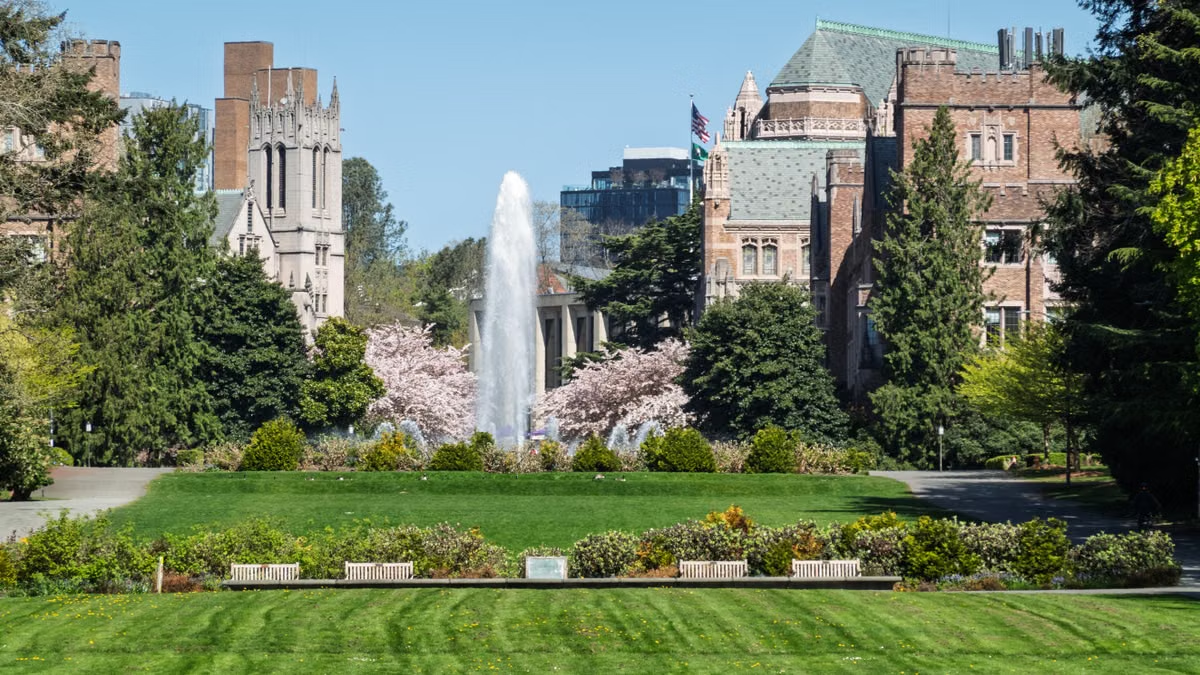
The University of Washington is a top public research university, especially strong in computer science, engineering, and the health sciences, with Seattle University and others adding private options.
Cost of Living
Mixed
A genuinely expensive US city, but meaningfully cheaper than the Bay Area, and Washington State has no state income tax, which helps working students keep more of what they earn.
Housing
Mixed
Rents are on the higher side and demand near campus is strong, but the market is less brutal than San Francisco’s, and outlying neighbourhoods offer more affordable options.
Transportation
Good
An expanding light-rail network, buses, and ferries serve the city well, though Seattle remains somewhat car-oriented and hilly, and cross-region travel can take time.
Safety
Good
Generally a reasonably safe major city, with the usual big-city awareness needed in a few central areas late at night, and comfortable student neighbourhoods around campus.
Healthcare
Mixed
Excellent hospitals and the UW medical system, but the lack of universal coverage means students rely on insurance, and out-of-pocket costs without it can be steep.
Employment & Work Opportunities
Excellent
A major technology centre with Amazon headquartered in the city and Microsoft nearby, giving students strong internship and graduate access in tech and STEM, backed by STEM OPT.
Student Lifestyle
Very Good
A green, water-and-mountain city with a strong coffee, music, and outdoor culture, and easy access to hiking, skiing, and the coast within a short drive.
Climate
Mixed
Famously grey and drizzly for much of the year, with mild temperatures and beautiful, dry summers, a climate that suits some and wears on others.
Student Essentials
Monthly Budget
- Accommodation (shared room)$1,150
- Food$450
- Transit (ORCA card)$70
- Phone & Internet$65
- Entertainment$250
- Total$1,985
Working While Studying
- Hours Allowed: F-1 students may generally work on-campus up to 20 hours per week during term, and off-campus work usually requires specific authorisation such as CPT or OPT tied to their programme.
- Common Jobs: On-campus roles, research assistantships, and internships (via CPT) at the region’s many tech companies, a strong pipeline toward OPT and full-time work in the sector.
- Tax Notes: Working students need a Social Security Number and must file federal US taxes; Washington has no state income tax, though international students still have specific federal rules to follow.
Scholarships
Application Routes Worth Knowing
- University Merit Scholarships: The University of Washington offers some merit awards, though funding for international undergraduates is limited and competitive; check the specific international scholarship options carefully.
- External and Country-Specific Scholarships: Many students combine home-country government scholarships, Fulbright and similar exchange programmes, and private awards to help meet US study costs.
- Departmental and Research Funding: Graduate students, especially in STEM, often access research and teaching assistantships that can substantially offset costs at a research-intensive university like UW.
Visa Requirements
University of Washington
A top public research university with nonresident tuition around US$42,000/year, world-class in computer science, engineering, and the health sciences, and deeply tied to the local tech sector.
- Computer Science
- Engineering
- Health Sciences
- Business
Seattle University
A private Jesuit university in the city, known for law, nursing, and business, offering a smaller, more intimate alternative to the vast University of Washington.
- Law
- Nursing
- Business
- Computer Science
Seattle Pacific University
A smaller private university with strong undergraduate teaching in the sciences, health, and the humanities, and a close-knit campus community north of downtown.
- Sciences
- Health
- Business
- Humanities
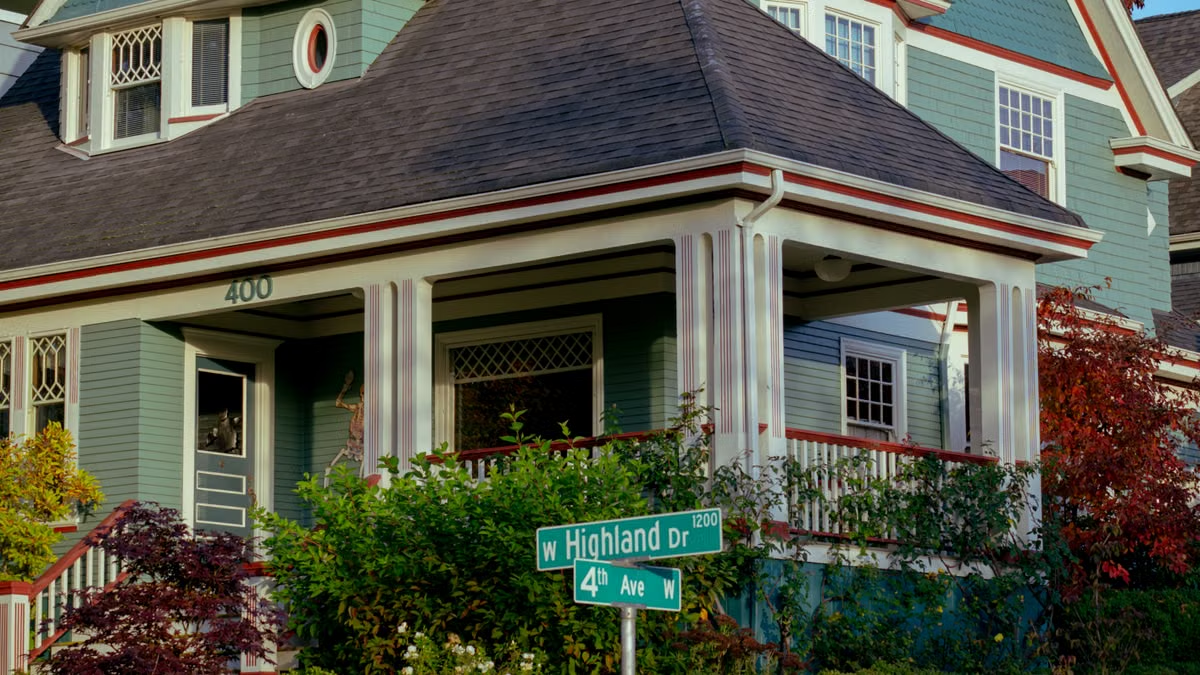
Neighbourhoods to Consider While Studying in Seattle
There’s no single right answer here, so we’ve picked four areas that each do one thing particularly well. Whichever priority matters most to you, cost, lifestyle, space, or commute time, one of these should fit.
University District (U-District)
Best for Shortest Commute
The neighbourhood around the University of Washington, walkable to campus and full of student life and cheap eats, with a new light-rail link into the city.
Capitol Hill
Best for Social & Cultural Life
Seattle’s most vibrant district for nightlife, music, and food, central and lively, and among the more sought-after (and pricier) places to live.
Beacon Hill / Rainier Valley
Best for Budget-Conscious Students
More affordable, diverse neighbourhoods south of downtown, well connected by light rail, popular with students trading a longer commute for lower rent.
Ballard / Fremont
Best for Grad Students Wanting Space
Characterful residential districts north-west of the centre, offering more space and a strong local scene, at the cost of a longer commute to campus.
How We Score This
Each category is rated on a five-point scale: Excellent, Very Good, Good, Mixed, or Significant Challenges. We use qualitative bands rather than decimal scores because factors like student lifestyle or housing quality don’t reduce to a single comparable number from any one source. Ratings reflect research across publicly available information, and specific facts such as tuition figures and visa timelines are cited directly where they’re used.
Overall Student Experience Score
Very Good
A strong choice for students aiming at technology or STEM who want a top public university and world-class outdoor access without the Bay Area’s extreme costs. The trade-offs to weigh are the grey climate and rents that, while more manageable than California’s, are still on the higher side.