

City Guide · 12 min read
Public policy and government careersBilingual studyAffordabilityPost-study work rightsSafety and quality of lifeA stable job market
Ottawa is Canada’s capital, a bilingual city on the Ontario-Quebec border, home to the University of Ottawa, one of the world’s largest bilingual universities, and Carleton University, known for journalism, public affairs, and engineering. It offers a distinctive job market built around government, public policy, and a growing tech sector, along with genuine affordability, strong safety, and a walkable, green feel. Backed by Canada’s generous post-study work permit, it is an underrated student choice. The main trade-off is the climate: Ottawa has long, very cold, snowy winters.

Country Context: Canada (Ontario)
- Student Visa: International students generally need a Canadian study permit, applied for after receiving a letter of acceptance from a Designated Learning Institution (DLI); Ottawa is in Ontario, so no Quebec CAQ is required.
- Post-Study Work Rights: The Post-Graduation Work Permit (PGWP) lets graduates work in Canada for up to three years, matching programme length; university degree graduates are generally exempt from the field-of-study restriction, though since November 2024 all applicants must prove language ability.
- Primary Language: Officially bilingual: English and French are both widely used in Ottawa, and the University of Ottawa teaches in both, making it a strong choice for students wanting a bilingual environment.
- Healthcare System: Canada has public healthcare; in Ontario, international students are typically covered by the University Health Insurance Plan (UHIP) rather than the provincial OHIP, so check your university’s arrangement.
Key Takeaways
- Ottawa offers a distinctive job market built around government, public policy, and a growing tech sector (including Shopify), backed by the generous PGWP.
- Carleton’s international undergraduate tuition runs roughly CAD 39,000-55,000/year depending on programme, with the University of Ottawa broadly comparable.
- It is genuinely affordable and very safe, cheaper than Toronto or Vancouver, and consistently rated among Canada’s most liveable cities.
- The University of Ottawa is one of the world’s largest bilingual universities, a real draw for students wanting to study or work in both English and French.
Education
Very Good
The University of Ottawa (bilingual) and Carleton University both offer strong research and professional programmes, especially in public affairs, law, journalism, and engineering.
Cost of Living
Good
More affordable than Toronto or Vancouver, with reasonable rents and daily costs, so a student budget stretches considerably further in the capital than in Canada’s priciest cities.
Housing
Good
Reasonably affordable and available by big-city standards, with student rentals near both campuses, though the best options still go quickly at the start of term.
Transportation
Good
The O-Train light rail and OC Transpo buses serve the city, and a student transit pass makes getting around manageable, though the network is still maturing.
Safety
Excellent
Consistently one of the safest large cities in Canada, with comfortable student neighbourhoods and a calm, low-key feel throughout.
Healthcare
Very Good
A strong public system, with international students in Ontario typically covered by UHIP through their university rather than the provincial plan.
Employment & Work Opportunities
Very Good
A stable market anchored by government and public policy, plus a growing tech sector led by Shopify, giving students distinctive internship and graduate access, backed by the PGWP.
Student Lifestyle
Good
A green, walkable capital with the Rideau Canal (a winter skateway), museums, and festivals; quieter than Montreal or Toronto, but pleasant and easy to live in.
Climate
Significant Challenges
Long, very cold, snowy winters are the real test, offset by warm summers and Ottawa’s embrace of winter, from canal skating to festivals.
Student Essentials
Monthly Budget
- Accommodation (shared room)CAD 850
- FoodCAD 370
- Transit (U-Pass / OC Transpo)CAD 90
- Phone & InternetCAD 55
- EntertainmentCAD 210
- TotalCAD 1,575
Working While Studying
- Hours Allowed: Eligible study-permit holders can generally work off-campus a set number of hours per week during term and full-time during scheduled breaks, subject to current federal rules.
- Common Jobs: On-campus roles, retail and hospitality, and co-op or internship placements, both universities run strong co-op programmes, with bilingual students finding the widest options in the capital.
- Tax Notes: Working students need a Social Insurance Number (SIN) and file Canadian taxes; international students have specific rules, so it’s worth understanding your status early.
Scholarships
Application Routes Worth Knowing
- University Entrance Scholarships: Both the University of Ottawa and Carleton offer entrance scholarships and awards for strong international undergraduates, applied for as part of or alongside admission.
- External and Country-Specific Scholarships: Many students combine home-country government scholarships and private awards with Canadian university funding, which Ottawa’s affordability helps stretch.
- Co-op and Research Funding: Paid co-op placements, especially strong in the capital’s government and tech sectors, and graduate assistantships can substantially offset costs while building Canadian experience.
Visa Requirements

University of Ottawa
One of the world’s largest bilingual universities, teaching in English and French, with international undergraduate tuition broadly comparable to Carleton’s, strong in law, health, and social sciences.
- Law
- Health Sciences
- Social Sciences
- Engineering
Carleton University
A well-regarded public university with international undergraduate tuition roughly CAD 39,000-55,000/year depending on programme, known for journalism, public affairs, and engineering.
- Journalism
- Public Affairs
- Engineering
- Business
Algonquin College
A large applied college offering career-focused, industry-connected diplomas and degrees, a practical route for students wanting hands-on programmes in the capital.
- Technology
- Business
- Media & Design
- Health
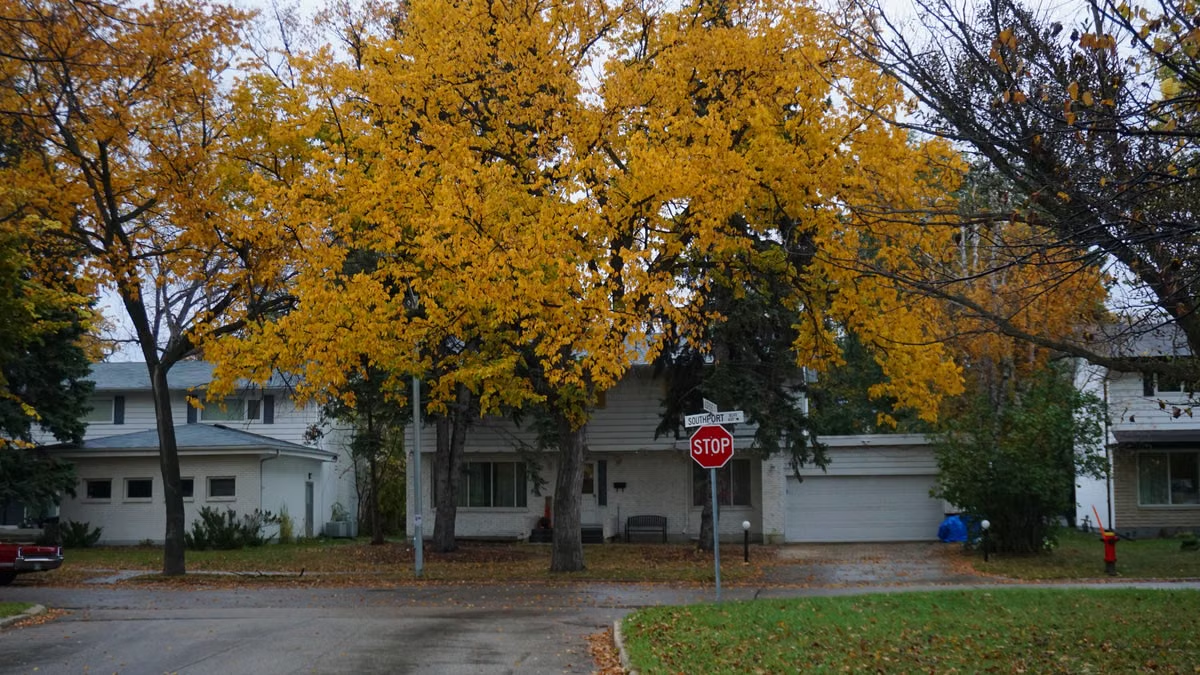
Neighbourhoods to Consider While Studying in Ottawa
There’s no single right answer here, so we’ve picked four areas that each do one thing particularly well. Whichever priority matters most to you, cost, lifestyle, space, or commute time, one of these should fit.
Sandy Hill
Best for Shortest Commute
The student neighbourhood right beside the University of Ottawa, walkable to campus and full of student housing, though its convenience keeps rents a little higher.
Centretown / ByWard Market
Best for Social & Cultural Life
The lively central districts with the capital’s nightlife, food, and the historic ByWard Market, central and sociable, and among the pricier areas.
Ottawa South / Old Ottawa South
Best for Budget-Conscious Students
Residential areas near Carleton and along the canal, more affordable and well connected, popular with students trading a slightly longer commute for lower rent.
Alta Vista / Nepean
Best for Grad Students Wanting Space
Quieter suburban districts offering more space and calm for the money, at the cost of a longer commute into the central university areas.
How We Score This
Each category is rated on a five-point scale: Excellent, Very Good, Good, Mixed, or Significant Challenges. We use qualitative bands rather than decimal scores because factors like student lifestyle or housing quality don’t reduce to a single comparable number from any one source. Ratings reflect research across publicly available information, and specific facts such as tuition figures and visa timelines are cited directly where they’re used.
Overall Student Experience Score
Very Good
An underrated, strong choice for students drawn to public policy, government, or bilingual study, who value affordability, safety, and a generous post-study work route. The main trade-off is the long, cold winter, which Ottawa, to its credit, leans into rather than merely endures.