
City Guide · 12 min read
Tech and start-up careersA top public universityLive music and cultureLower cost than the coastsWarm climateA fast-growing city
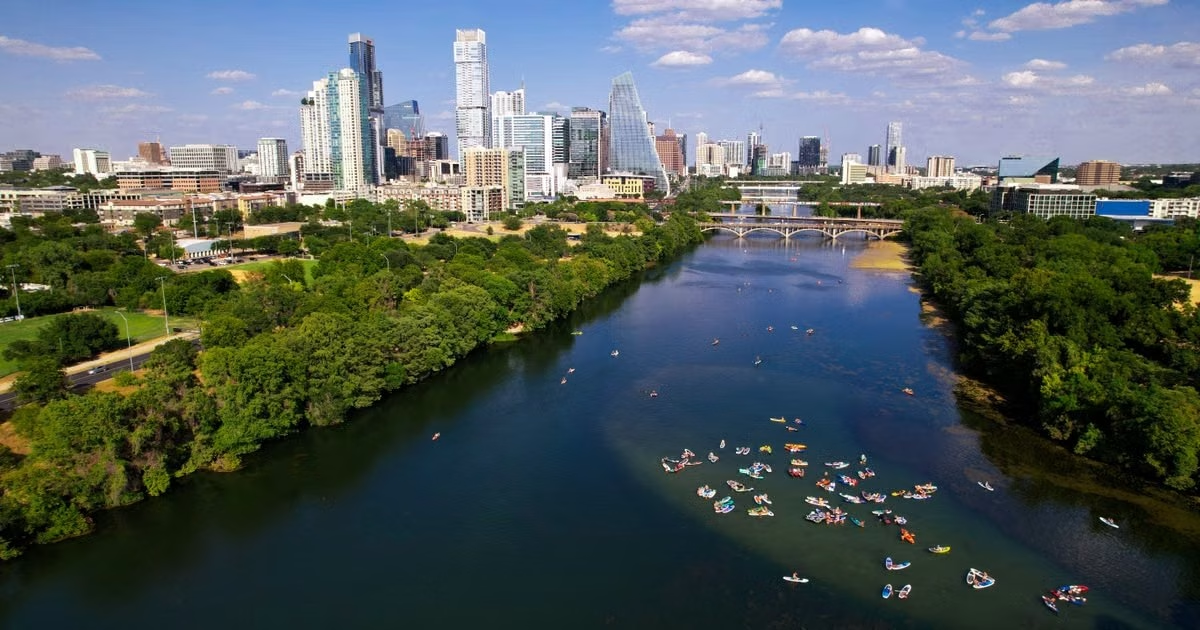
Austin is the capital of Texas and one of the fastest-growing cities in the United States, a booming technology hub sometimes called ‘Silicon Hills’, home to major employers including Tesla, Oracle, and Apple, and to the University of Texas at Austin, one of the country’s leading public research universities. It pairs strong tech and STEM opportunity with a famous live-music and food culture, a warm climate, and, crucially, a cost of living far below San Francisco or New York, helped by Texas having no state income tax. The main trade-offs are hot summers and a car-oriented layout with weaker public transport than the big coastal cities.
Country Context: United States
- Student Visa: Most international students study on an F-1 visa, applied for after receiving an I-20 from a SEVP-approved university and paying the SEVIS fee, then attending a consular interview.
- Post-Study Work Rights: F-1 students are generally eligible for 12 months of Optional Practical Training (OPT) after graduation; those with an eligible STEM degree can apply for a 24-month STEM OPT extension, up to 36 months of work authorisation in total, widely used across Austin’s growing tech sector.
- Primary Language: English, in an increasingly international and fast-growing city with a large university population and a strong influx of new residents from across the US and abroad.
- Healthcare System: The US has no universal public healthcare; universities generally require students to hold health insurance, often through a university-sponsored plan, and costs can be high without it.
Key Takeaways
- F-1 students get 12 months of OPT after graduating, extended to 36 months total for eligible STEM degrees, a route Austin’s expanding tech employers use heavily.
- UT Austin’s nonresident tuition runs roughly US$38,650-51,106/year depending on programme, strong value for a top public research university.
- The cost of living is well below the coastal tech cities, and Texas has no state income tax, so a student budget stretches considerably further here.
- Tech and start-up opportunity is booming, with major employers and a lively founder scene, though the city is car-oriented with weaker public transport.
Education
Very Good
The University of Texas at Austin is a top public research university, especially strong in engineering, computer science, and business, with St. Edward’s and others adding private options.
Cost of Living
Good
Well below the coastal tech hubs, with no Texas state income tax, so student budgets stretch much further, though rapid growth has pushed costs up from where they once were.
Housing
Mixed
More affordable than San Francisco or New York, but fast growth has tightened the market and pushed rents up, especially in the student-heavy areas near campus.
Transportation
Mixed
Austin is car-oriented with weaker public transport than the big coastal cities; buses serve the core and a light-rail expansion is planned, but many students find a car useful.
Safety
Good
Generally a reasonably safe city, with comfortable student neighbourhoods and the usual big-city awareness needed in a few central and nightlife areas late at night.
Healthcare
Mixed
Good hospitals and a growing medical sector, but the lack of universal coverage means students rely on insurance, and out-of-pocket costs without it can be steep.
Employment & Work Opportunities
Very Good
A fast-growing tech and start-up centre with major employers like Tesla, Oracle, and Apple, giving students strong internship and graduate access, backed by the STEM OPT route.
Student Lifestyle
Excellent
A famous live-music, food, and outdoor culture with the slogan ‘Keep Austin Weird’, a huge student presence, and a genuinely fun, sociable city to be young in.
Climate
Mixed
Warm to hot for much of the year, with long, very hot summers and mild winters, a climate that suits sun-lovers but can be intense in high summer.
Student Essentials
Monthly Budget
- Accommodation (shared room)$900
- Food$400
- Transit (CapMetro / car costs)$70
- Phone & Internet$60
- Entertainment$250
- Total$1,680
Working While Studying
- Hours Allowed: F-1 students may generally work on-campus up to 20 hours per week during term, and off-campus work usually requires specific authorisation such as CPT or OPT tied to their programme.
- Common Jobs: On-campus roles, research assistantships, and internships (via CPT) at Austin’s many tech companies and start-ups, a strong pipeline toward OPT and full-time roles in the sector.
- Tax Notes: Working students need a Social Security Number and must file federal US taxes; Texas has no state income tax, though international students still have specific federal rules to follow.
Scholarships
Application Routes Worth Knowing
- University Merit Scholarships: UT Austin offers some competitive merit scholarships, though funding for international undergraduates is limited; check the specific international scholarship options carefully.
- External and Country-Specific Scholarships: Many students combine home-country government scholarships, Fulbright and similar exchange programmes, and private awards to help meet US study costs.
- Departmental and Research Funding: Graduate students, especially in engineering and the sciences, often access research and teaching assistantships that can substantially offset costs at a research-intensive university.
Visa Requirements

University of Texas at Austin
A top public research university with nonresident tuition roughly US$38,650-51,106/year depending on programme, especially strong in engineering, computer science, and business.
- Engineering
- Computer Science
- Business
- Natural Sciences
St. Edward’s University
A private liberal-arts university in south Austin, offering a smaller, more personal alternative with strengths in business, the sciences, and the humanities.
- Business
- Sciences
- Humanities
- Communications
Texas State University
A large public university about thirty miles south of Austin, offering a wide range of programmes and a lively campus, a more affordable public option in the region.
- Business
- Health Professions
- Education
- Liberal Arts
Neighbourhoods to Consider While Studying in Austin
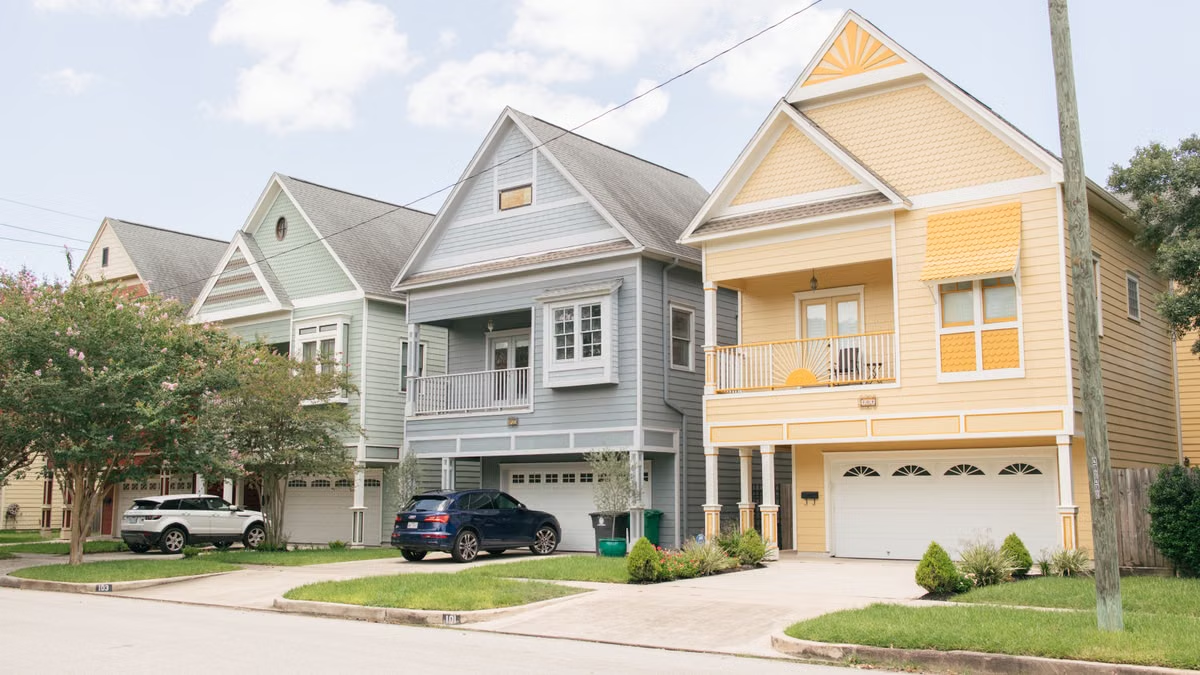
There’s no single right answer here, so we’ve picked four areas that each do one thing particularly well. Whichever priority matters most to you, cost, lifestyle, space, or commute time, one of these should fit.
West Campus
Best for Shortest Commute
The dense student neighbourhood right next to the University of Texas, walkable to campus and packed with student housing, though demand keeps rents higher than average.
East Austin
Best for Social & Cultural Life
A vibrant, rapidly changing district known for music venues, bars, and food, central to Austin’s creative scene, and increasingly popular (and pricier) as a result.
North / South Austin suburbs
Best for Budget-Conscious Students
More affordable residential areas further from the centre, offering lower rents in exchange for a longer commute, often easier with a car given the city’s layout.
Hyde Park
Best for Grad Students Wanting Space
A leafy, historic neighbourhood just north of campus with bungalows and a quieter feel, popular with graduate students wanting more space and calm close to the university.
How We Score This
Each category is rated on a five-point scale: Excellent, Very Good, Good, Mixed, or Significant Challenges. We use qualitative bands rather than decimal scores because factors like student lifestyle or housing quality don’t reduce to a single comparable number from any one source. Ratings reflect research across publicly available information, and specific facts such as tuition figures and visa timelines are cited directly where they’re used.
Overall Student Experience Score
Very Good
A strong, increasingly popular choice for students aiming at technology or STEM who want a top public university, a lively culture, and a far lower cost than the coasts. The trade-offs to weigh are hot summers and a car-oriented layout with weaker public transport than the big coastal cities.