
City Guide · 12 min read
Technology and innovationEnglish-taught programmesDesign and sustainabilityQuality of lifePost-study work rightsA stunning archipelago city
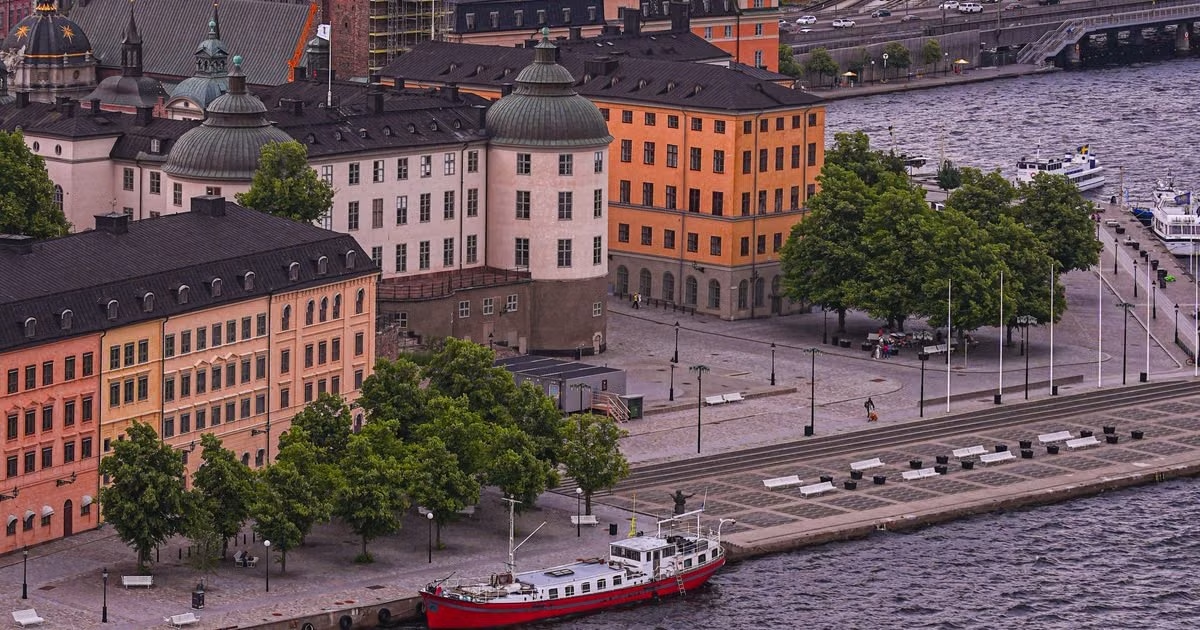
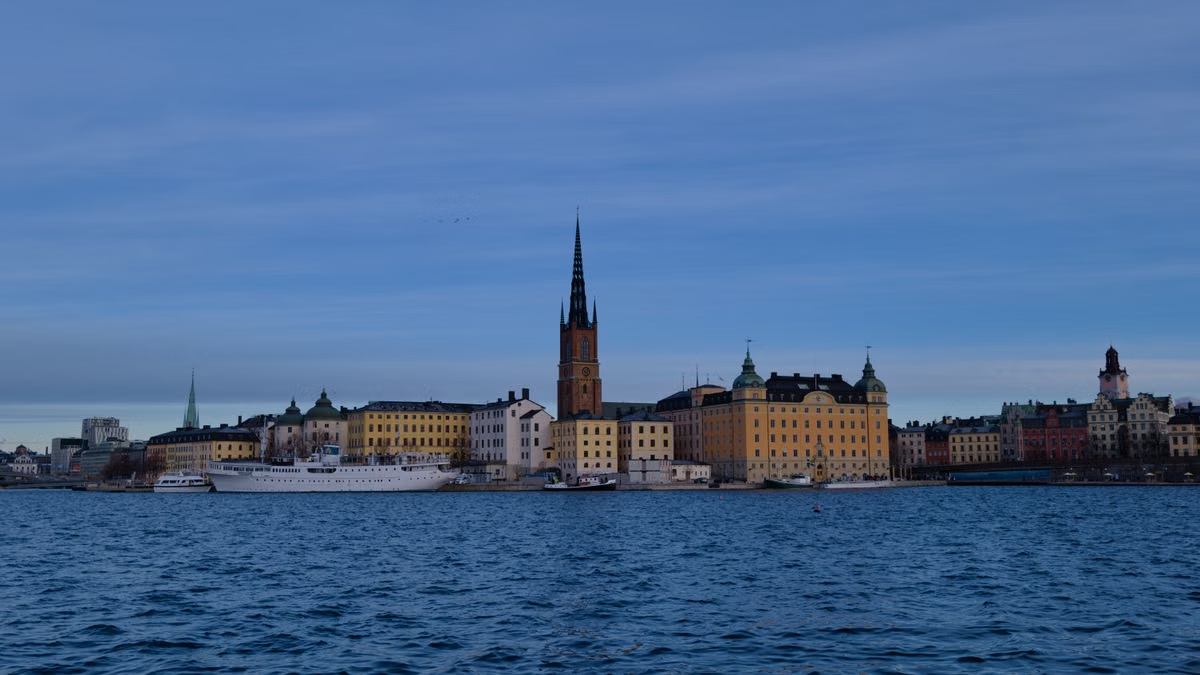
Stockholm is the capital of Sweden, a beautiful city spread across fourteen islands, and one of Europe’s leading innovation hubs, home to the KTH Royal Institute of Technology, Stockholm University, and the world-renowned Karolinska Institute. It offers strong universities, near-universal English, a thriving tech and start-up scene (the birthplace of Spotify and many others), and outstanding quality of life, backed by a post-study work route. The trade-offs are Scandinavian prices, real tuition for non-EU students, and long, dark winters, though the lifestyle and opportunities are correspondingly strong.
Country Context: Sweden
- Student Visa: Non-EU/EEA students generally need a Swedish residence permit for studies, applied for after admission and usually requiring proof of funds and paid tuition.
- Post-Study Work Rights: Bachelor’s or master’s graduates can be granted a residence permit for up to 12 months to look for work or start a business (12-18 months for doctoral graduates), a genuine route to staying on and working in Sweden.
- Primary Language: Swedish, but English is spoken almost universally, and many programmes, especially at master’s level, are taught entirely in English, making daily life easy for international students.
- Healthcare System: Sweden has a strong public healthcare system; students staying long enough to receive a personal number (personnummer) generally gain access, while shorter stays need insurance.
Key Takeaways
- EU/EEA students study free; non-EU tuition runs roughly SEK 90,000-180,000/year depending on subject and university, a real cost to plan for.
- The 12-month post-study job-seeking permit (12-18 months for doctoral graduates) gives graduates a genuine route to work in Sweden.
- Near-universal English and abundant English-taught programmes make Stockholm genuinely accessible without Swedish, though Swedish helps with life and work.
- Stockholm is a leading tech and innovation hub, with strong graduate opportunities, offset by high living costs and long, dark winters.
Education
Very Good
KTH, Stockholm University, and the Karolinska Institute are all world-respected, giving the city exceptional strength in technology, the sciences, and medicine.
Cost of Living
Significant Challenges
One of the more expensive cities in Europe, with high rent and daily costs; a Stockholm student budget must be planned carefully around Sweden’s prices.
Housing
Significant Challenges
A famously tight rental market with long queues for first-hand contracts; most students rely on student housing or subletting, so arranging accommodation early is essential.
Transportation
Excellent
An excellent metro (the ‘Tunnelbana’), bus, and commuter-train network, with a student travel card, connects the islands and suburbs, so no car is needed.
Safety
Very Good
A generally very safe capital with comfortable student neighbourhoods, needing only the usual sensible awareness in a few areas late at night.
Healthcare
Very Good
A strong public healthcare system, accessible to students who stay long enough to receive a personal number, with insurance advisable meanwhile.
Employment & Work Opportunities
Very Good
A leading tech and start-up hub (home to Spotify and many unicorns) plus strong life sciences give students real internship and graduate access, backed by the post-study permit.
Student Lifestyle
Very Good
A design-led, sustainable, water-surrounded city with a strong cafe (‘fika’) culture, an archipelago on the doorstep, and easy access to the rest of Scandinavia.
Climate
Significant Challenges
Long, cold, very dark winters are the real test, with only a few hours of daylight in midwinter, offset by beautiful, bright, long summer days.
Student Essentials
Monthly Budget
- Accommodation (shared room)SEK 6,500
- FoodSEK 3,000
- Transit (SL travel card)SEK 640
- Phone & InternetSEK 250
- EntertainmentSEK 1,500
- Total (approx. EUR 1,050)SEK 11,890
Working While Studying
- Hours Allowed: There is no fixed cap on work hours for students on a residence permit, but studies must remain the main activity and progress well, so most students work only part-time.
- Common Jobs: Cafe, retail, and campus roles are common early on, with internships in tech, design, and life sciences opening up, and English often enough to get started.
- Tax Notes: Working students need a personal number and pay Swedish tax; international students have specific rules, so it’s worth understanding your status early.
Scholarships
Application Routes Worth Knowing
- Swedish Institute Scholarships: The Swedish Institute funds scholarships for talented students from many countries, some covering tuition and living costs, one of the more competitive Nordic programmes.
- University Tuition-Fee Scholarships: KTH, Stockholm University, and others offer tuition-fee scholarships for outstanding non-EU students, applied for alongside admission.
- External and Country-Specific Scholarships: Many students combine home-country government scholarships and private awards with Swedish university funding to meet Stockholm’s costs.
Visa Requirements

KTH Royal Institute of Technology
One of Europe’s leading technical universities, with non-EU master’s tuition around SEK 180,000/year, excellent in engineering, computer science, and sustainability.
- Engineering
- Computer Science
- Sustainability
- Architecture
Stockholm University
A large public research university with non-EU tuition of SEK 90,000/year (humanities, social sciences, law) or SEK 140,000/year (sciences), strong across the humanities and sciences.
- Humanities
- Law
- Sciences
- Social Sciences
Karolinska Institute
One of the world’s foremost medical universities, home of the Nobel Prize in Physiology or Medicine committee, exceptional in medicine, biomedicine, and health sciences.
- Medicine
- Biomedicine
- Public Health
- Nursing
Neighbourhoods to Consider While Studying in Stockholm
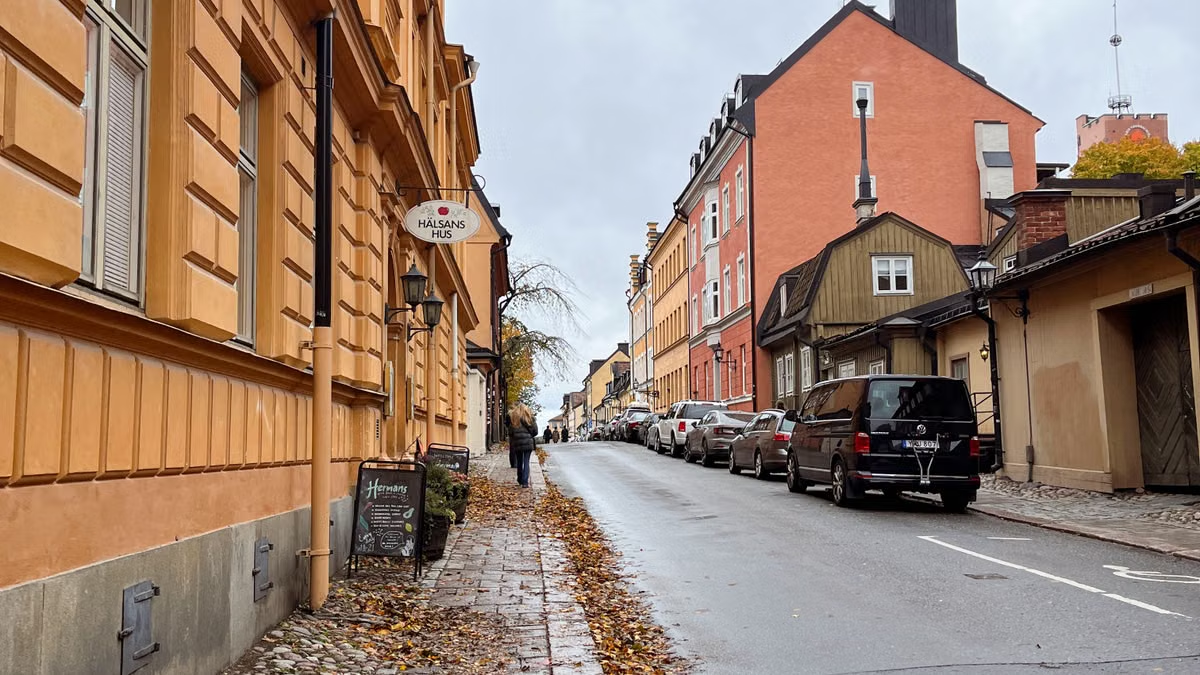
There’s no single right answer here, so we’ve picked four areas that each do one thing particularly well. Whichever priority matters most to you, cost, lifestyle, space, or commute time, one of these should fit.
Ostermalm / Roslagstull
Best for Shortest Commute
The central-north areas near KTH, walkable or a short metro ride to campus, elegant and convenient, and among the pricier parts of the city.
Sodermalm
Best for Social & Cultural Life
Stockholm’s famously trendy island district, full of cafes, vintage shops, and nightlife, the heart of young Stockholm, and popular (though not cheap).
Flemingsberg / Huddinge
Best for Budget-Conscious Students
Southern suburbs with student housing and lower rents, near the Karolinska’s Flemingsberg campus and well connected by commuter train, popular with budget-conscious students.
Kungsholmen / Vasastan
Best for Grad Students Wanting Space
Comfortable, leafy central islands offering more space and a relaxed feel for the money, well connected by metro into the rest of the city.
How We Score This
Each category is rated on a five-point scale: Excellent, Very Good, Good, Mixed, or Significant Challenges. We use qualitative bands rather than decimal scores because factors like student lifestyle or housing quality don’t reduce to a single comparable number from any one source. Ratings reflect research across publicly available information, and specific facts such as tuition figures and visa timelines are cited directly where they’re used.
Overall Student Experience Score
Very Good
An excellent choice for students in technology, the sciences, or medicine who want world-respected universities, near-universal English, and a genuine post-study work route in a beautiful, innovative capital. The trade-offs to plan around are high costs, non-EU tuition, and long, dark winters.