
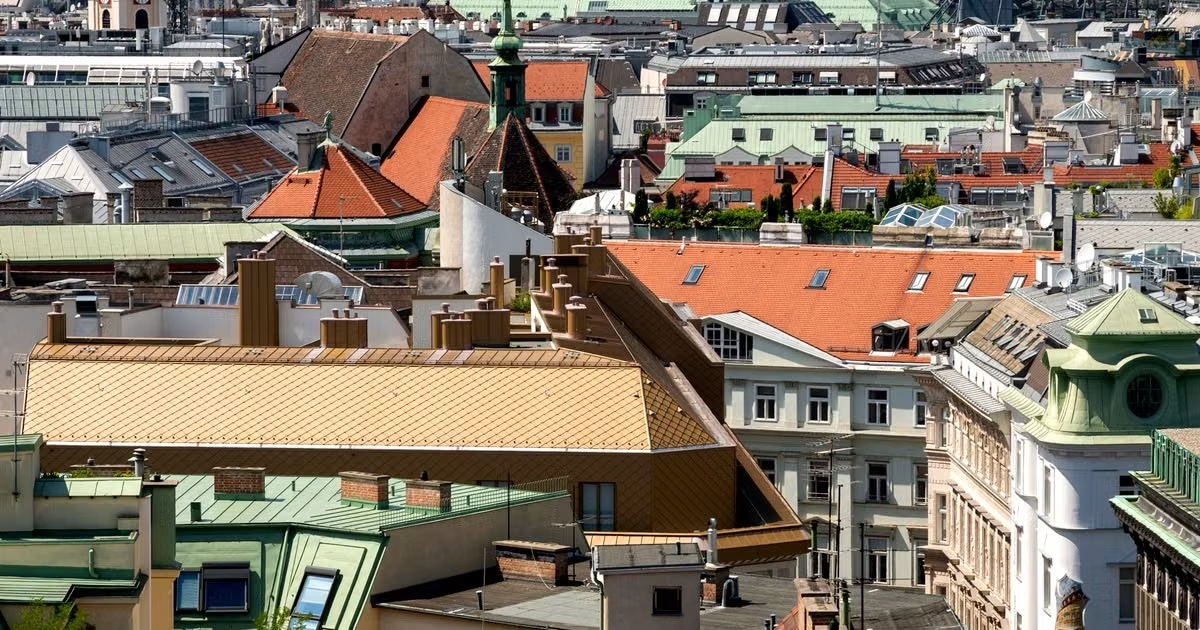
City Guide · 12 min read
Very low public-university feesQuality of life and safetyPublic transportMusic and culturePost-study work rightsCentral European access
Vienna is the capital of Austria and consistently ranked the world’s most liveable city, home to the huge University of Vienna, the Vienna University of Technology (TU Wien), and WU Vienna, its renowned business university. It offers an unusual combination: very low tuition at public universities, world-class quality of life and safety, superb public transport, and a deep musical and cultural heritage, all backed by a genuine post-study work route. The main things to plan for are that most bachelor’s teaching is in German, and that admission to some programmes can be competitive.
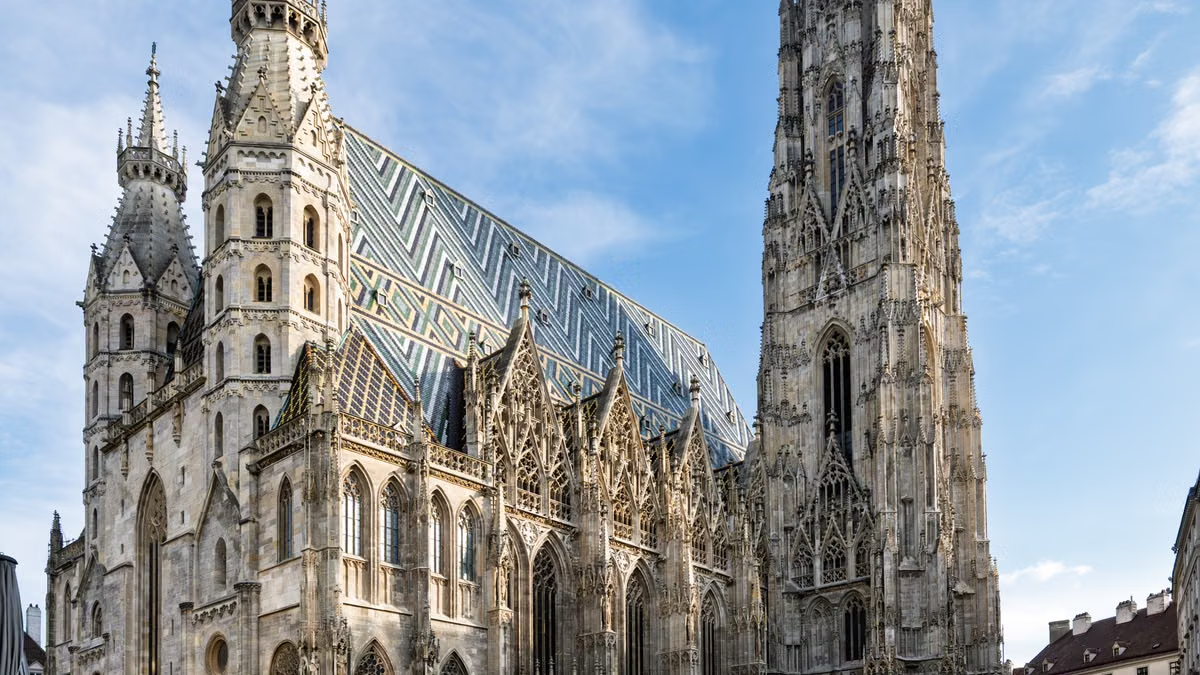
Country Context: Austria
- Student Visa: Non-EU students generally need a student residence permit, applied for after admission and usually requiring proof of sufficient funds and health insurance.
- Post-Study Work Rights: Third-country graduates can extend their student residence permit for 12 months to seek work; with a matching job offer, they can apply for a Red-White-Red Card, without a labour-market test, to work in Austria.
- Primary Language: German. Most bachelor’s programmes are taught in German, with more English-taught options at master’s level; German makes daily life and the local job market far more accessible.
- Healthcare System: Austria has a strong public healthcare system; international students typically take out affordable student self-insurance to meet the mandatory health-cover requirement.
Key Takeaways
- Public-university tuition for non-EU students is very low, around EUR 726.72 per semester (roughly EUR 1,450/year), a fraction of UK, US, or Australian fees.
- Vienna is consistently ranked the world’s most liveable city, with outstanding safety, transport, and quality of life.
- The 12-month post-study residence extension plus the Red-White-Red Card give graduates a genuine route to work in Austria.
- Most bachelor’s teaching is in German, so language is the main thing to plan for, though English-taught master’s options are growing.
Education
Very Good
The University of Vienna, TU Wien, and WU Vienna together give the city real strength across the humanities, sciences, engineering, and business, at very low public-university fees.
Cost of Living
Good
Reasonable for a major Western European capital and far cheaper than Zurich or Munich, helped enormously by very low tuition, so a student budget stretches well here.
Housing
Good
More affordable and available than in most comparable capitals, helped by Vienna’s large stock of social and subsidised housing, though the best student options still go quickly.
Transportation
Excellent
A superb, cheap, integrated U-Bahn, tram, and bus network, famous for its value, makes getting around effortless and a car entirely unnecessary.
Safety
Excellent
Consistently one of the safest large cities in the world, with comfortable student neighbourhoods and a calm, orderly feel throughout.
Healthcare
Very Good
A strong public healthcare system, accessed by students through affordable self-insurance that meets the mandatory cover requirement.
Employment & Work Opportunities
Very Good
A prosperous economy and a hub for international organisations and Central European business give students real internship and graduate access, backed by the Red-White-Red Card route.
Student Lifestyle
Very Good
A city of coffee houses, classical music, museums, and green space, with a large student population and easy weekend access to the rest of Central Europe.
Climate
Mixed
A continental climate with cold winters and warm summers, a genuine seasonal range but nothing extreme.
Student Essentials
Monthly Budget
- Accommodation (shared room)EUR 520
- FoodEUR 280
- Health insuranceEUR 70
- Phone & InternetEUR 25
- EntertainmentEUR 170
- Total (transit is famously cheap for students)EUR 1,065
Working While Studying
- Hours Allowed: Non-EU students can generally work a limited number of hours per week alongside their studies, subject to a work permit for employment, so check the current rules.
- Common Jobs: Student assistant roles at the universities, hospitality, and internships, including at the international organisations based in Vienna, are common routes to build experience.
- Tax Notes: Working students receive a tax number and pay Austrian tax and social contributions above certain thresholds; international students have specific rules, so understand your status early.
Scholarships
Application Routes Worth Knowing
- OeAD and Austrian Government Scholarships: The Austrian agency for education and internationalisation (OeAD) administers a range of scholarships and grants for international students.
- University Scholarships: The University of Vienna and other institutions offer some support and fee waivers for outstanding international students; low base fees already ease the burden.
- External and Country-Specific Scholarships: Because tuition is low, many students need less funding than elsewhere and combine home-country awards with living-cost support to study comfortably in Vienna.
Visa Requirements
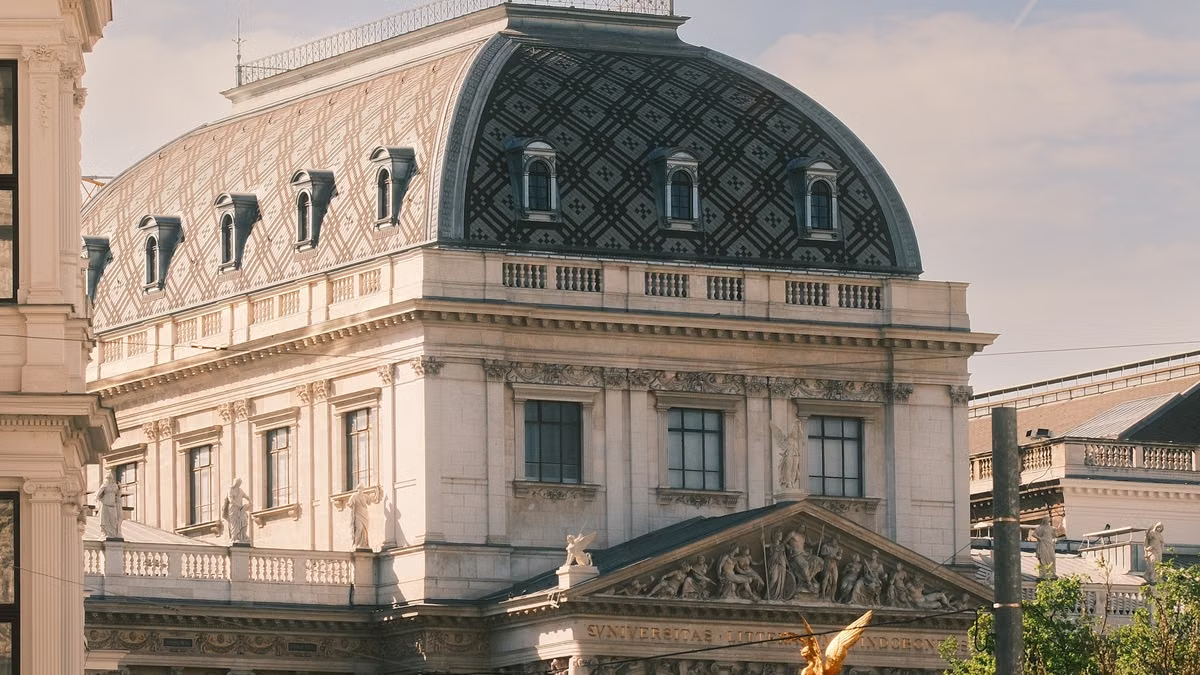
University of Vienna
One of the oldest and largest universities in the German-speaking world, with non-EU tuition of around EUR 726.72/semester, strong across the humanities, law, and the sciences.
- Humanities
- Law
- Sciences
- Social Sciences
Vienna University of Technology (TU Wien)
A leading technical university at similarly low public fees, excellent in engineering, computer science, and architecture.
- Engineering
- Computer Science
- Architecture
- Mathematics
WU Vienna
One of Europe’s largest and most respected business universities, on a striking modern campus, known for economics, business, and international programmes.
- Business
- Economics
- Finance
- International Business
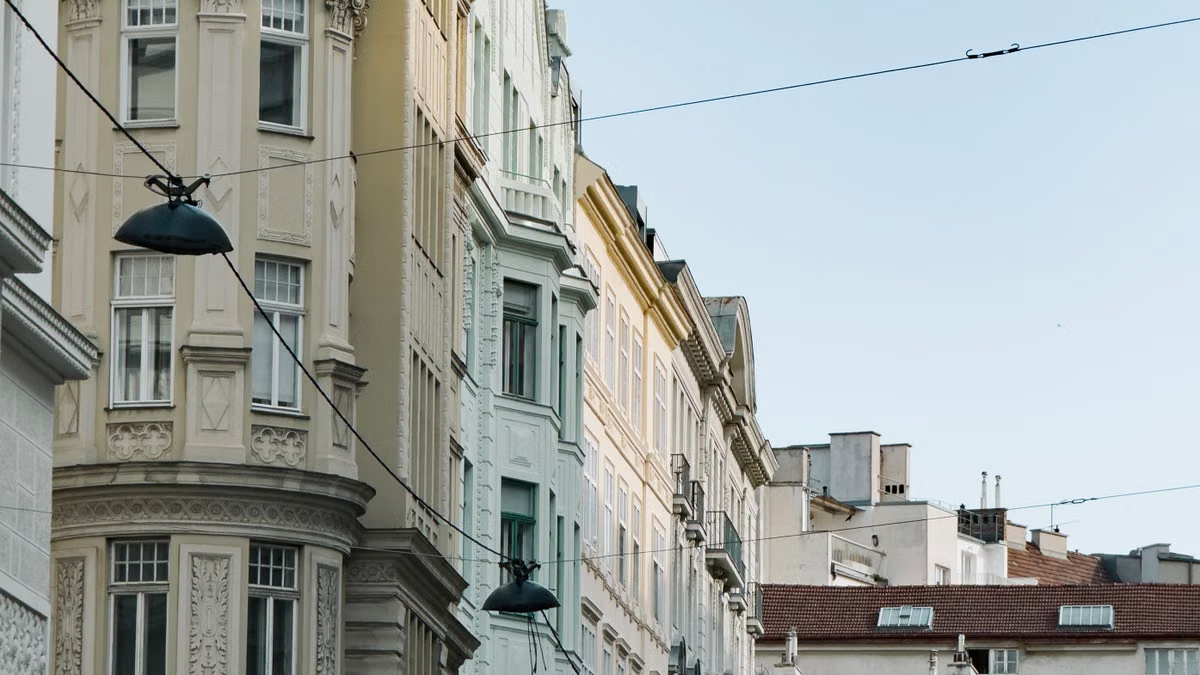
Neighbourhoods to Consider While Studying in Vienna
There’s no single right answer here, so we’ve picked four areas that each do one thing particularly well. Whichever priority matters most to you, cost, lifestyle, space, or commute time, one of these should fit.
Alsergrund (9th)
Best for Shortest Commute
The district around the University of Vienna, walkable to the main campus and full of student life, though central and therefore a little pricier.
Neubau / Mariahilf (7th / 6th)
Best for Social & Cultural Life
Trendy, central districts full of cafes, boutiques, and nightlife, the heart of young Vienna, and among the more sought-after areas.
Ottakring / Simmering (16th / 11th)
Best for Budget-Conscious Students
Diverse, more affordable outer districts, well connected by the U-Bahn, popular with students seeking lower rents and a strong local feel.
Doebling / Wieden (19th / 4th)
Best for Grad Students Wanting Space
Leafier, comfortable districts, Doebling near the vineyards and Wieden central and elegant, offering more space and calm for the money.
How We Score This
Each category is rated on a five-point scale: Excellent, Very Good, Good, Mixed, or Significant Challenges. We use qualitative bands rather than decimal scores because factors like student lifestyle or housing quality don’t reduce to a single comparable number from any one source. Ratings reflect research across publicly available information, and specific facts such as tuition figures and visa timelines are cited directly where they’re used.
Overall Student Experience Score
Very Good
An outstanding, underrated choice for students who want very low public-university fees, the world’s best quality of life, and a genuine post-study work route, in a beautiful, cultured capital. The main thing to plan for is the German language for most bachelor’s programmes.