
City Guide · 12 min read
Two top German universitiesEngineering and tech careersQuality of life and safetyPost-study work rightsAlpine accessA powerhouse economy
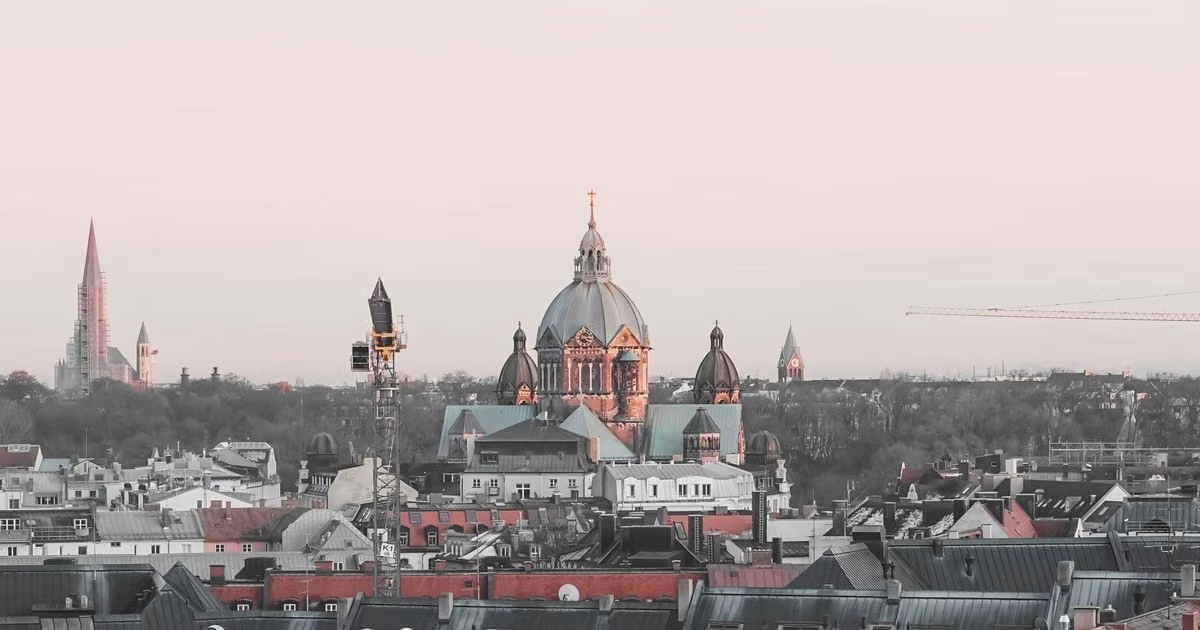
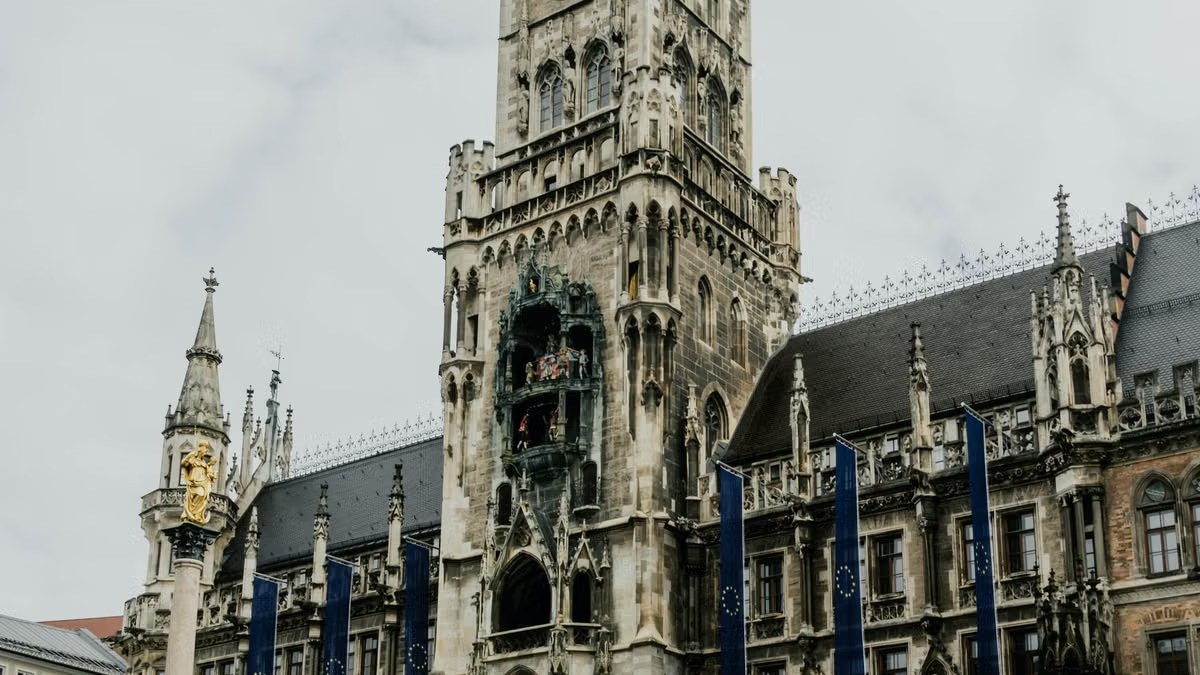
Munich is the capital of Bavaria and one of Germany’s most prosperous, liveable cities, home to two of the country’s very best universities, the Ludwig-Maximilians-Universitaet (LMU) and the Technical University of Munich (TUM). It offers a powerhouse economy, home to BMW, Siemens, and Allianz, outstanding quality of life and safety, and the Alps within easy reach, all backed by Germany’s 18-month post-study job-seeking permit. The catch is cost: Munich has the most expensive housing in Germany. Note too that, unusually, TUM now charges non-EU tuition, while LMU and most others remain tuition-free.
Country Context: Germany (Bavaria)
- Student Visa: Non-EU students generally need a student visa and then a residence permit for study purposes, applied for after admission and usually requiring proof of funds in a blocked account.
- Post-Study Work Rights: Graduates of German universities can apply for an 18-month residence permit to seek work related to their field, with unlimited work rights meanwhile, converting to a work visa or EU Blue Card once they find a relevant job.
- Primary Language: German. Many master’s programmes at LMU and TUM are taught in English, but English-taught bachelor’s degrees are rarer, and German makes daily life and Munich’s job market far easier.
- Healthcare System: Germany requires everyone, including students, to hold health insurance; students typically enrol in statutory (public) insurance at around EUR 120-130 per month.
Key Takeaways
- Munich is home to two of Germany’s best universities, LMU (tuition-free) and TUM, which uniquely charges non-EU international tuition, so check which applies to you.
- Germany’s 18-month post-study job-seeking permit, with unlimited work rights and a route to the EU Blue Card, makes staying on to work realistic.
- Munich has the most expensive housing in Germany, so accommodation is the single biggest cost and challenge, plan and secure it early.
- Quality of life, safety, and the economy are all outstanding, with major employers and the Alps within easy reach.
Education
Excellent
LMU Munich and the Technical University of Munich are both among Germany’s and Europe’s very best universities, together giving Munich exceptional strength across the sciences, engineering, and humanities.
Cost of Living
Significant Challenges
The most expensive city in Germany, driven above all by housing; even with tuition-free study at LMU, a Munich student budget must be planned carefully around high living costs.
Housing
Significant Challenges
Germany’s tightest and priciest rental market; student demand is fierce and supply limited, so securing accommodation early, ideally before arrival, is genuinely essential.
Transportation
Excellent
A superb, integrated U-Bahn, S-Bahn, tram, and bus network, with a student semester ticket covering it, makes getting around effortless and a car unnecessary.
Safety
Excellent
Consistently one of the safest large cities in Europe, with comfortable student neighbourhoods and a calm, orderly feel throughout.
Healthcare
Very Good
A high-quality healthcare system, accessed through the mandatory student health insurance that everyone must hold.
Employment & Work Opportunities
Excellent
A powerhouse economy with BMW, Siemens, Allianz, and a strong tech and engineering base gives students excellent internship and graduate access, backed by the 18-month job-seeking permit.
Student Lifestyle
Very Good
A prosperous, cultured city with beer gardens, Oktoberfest, and the Alps and lakes within easy reach; more polished and less edgy than Berlin, but with a superb quality of life.
Climate
Mixed
A continental Alpine-edge climate with cold, snowy winters and warm summers, and quick access to the mountains for skiing and hiking.
Student Essentials
Monthly Budget
- Accommodation (shared room)EUR 750
- FoodEUR 300
- Health insuranceEUR 125
- Phone & InternetEUR 30
- EntertainmentEUR 190
- Total (transit covered by semester ticket)EUR 1,395
Working While Studying
- Hours Allowed: Non-EU students can generally work a set number of days per year alongside their studies, subject to current rules, so check the latest limit.
- Common Jobs: Student assistant (HiWi) roles at LMU and TUM, internships (Werkstudent positions) at Munich’s major companies, and hospitality are common routes to build experience toward the post-study permit.
- Tax Notes: Working students receive a tax ID and pay German tax and social contributions above certain thresholds; international students have specific rules, so understand your status early.
Scholarships
Application Routes Worth Knowing
- DAAD Scholarships: The German Academic Exchange Service (DAAD) offers a wide range of scholarships for international students, one of the largest such programmes in the world.
- Deutschlandstipendium: A national merit-and-need scholarship co-funded by government and private sponsors, awarded through the universities to strong students of any nationality.
- TUM and LMU Awards: Both universities offer some scholarships and support for international students, especially helpful given TUM’s tuition and Munich’s high living costs.
Visa Requirements
Ludwig-Maximilians-Universitaet (LMU)
One of Germany’s leading and oldest universities, tuition-free (only a semester contribution), strong across medicine, the sciences, law, and the humanities.
- Medicine
- Sciences
- Law
- Humanities
Technical University of Munich (TUM)
One of Europe’s top technical universities, which uniquely charges non-EU international tuition (roughly EUR 6,000/semester for bachelor’s, lower for master’s), outstanding in engineering and computer science.
- Engineering
- Computer Science
- Natural Sciences
- Management
Munich University of Applied Sciences (HM)
A large applied-sciences university offering career-focused, industry-connected programmes, tuition-free, a practical route in one of Europe’s strongest job markets.
- Engineering
- Business
- Design
- Computer Science
Neighbourhoods to Consider While Studying in Munich
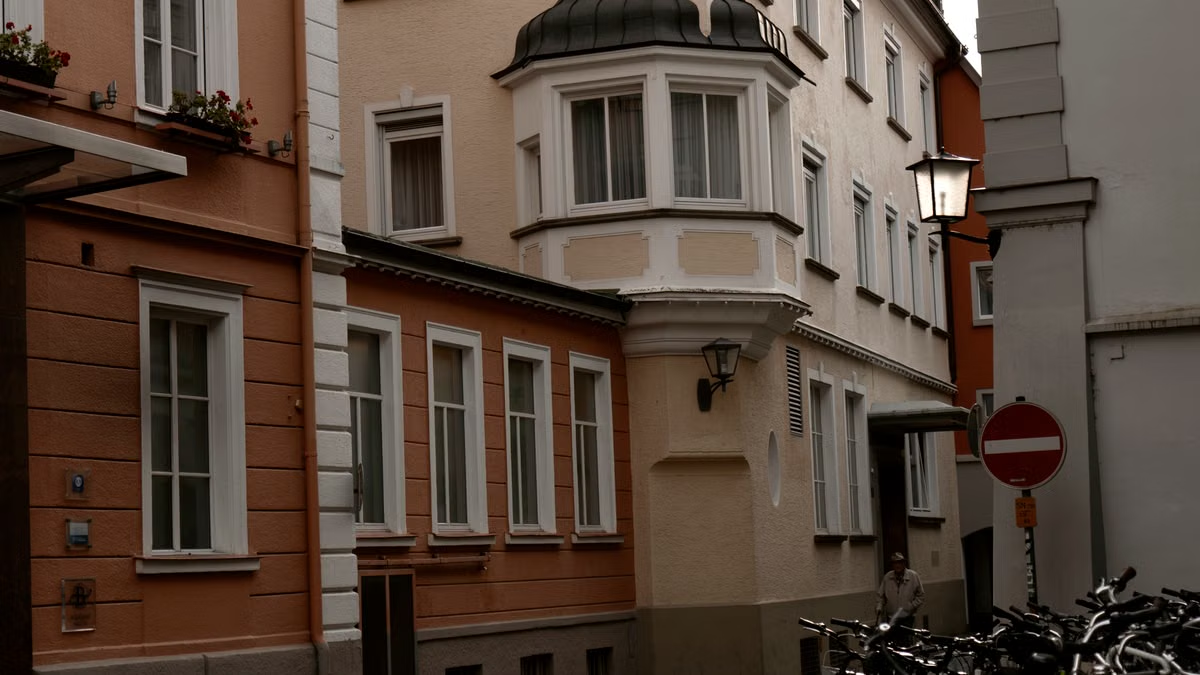
There’s no single right answer here, so we’ve picked four areas that each do one thing particularly well. Whichever priority matters most to you, cost, lifestyle, space, or commute time, one of these should fit.
Maxvorstadt
Best for Shortest Commute
The central university quarter, home to both LMU and TUM’s main sites, walkable to lectures and full of student life, though highly sought-after and pricey.
Schwabing
Best for Social & Cultural Life
The classic bohemian-turned-fashionable district next to the university quarter and the English Garden, lively and central, and among the pricier places to live.
Sendling / Giesing
Best for Budget-Conscious Students
More affordable, well-connected districts a little further from the centre, popular with students trading a longer commute for lower (by Munich standards) rents.
Neuhausen / Nymphenburg
Best for Grad Students Wanting Space
Comfortable, green residential areas offering more space and calm for the money, well connected by U-Bahn and tram into the centre.
How We Score This
Each category is rated on a five-point scale: Excellent, Very Good, Good, Mixed, or Significant Challenges. We use qualitative bands rather than decimal scores because factors like student lifestyle or housing quality don’t reduce to a single comparable number from any one source. Ratings reflect research across publicly available information, and specific facts such as tuition figures and visa timelines are cited directly where they’re used.
Overall Student Experience Score
Excellent
An outstanding choice for students, especially in engineering and tech, who want two of Germany’s best universities, a powerhouse economy, and superb quality of life, backed by a real post-study work route. The trade-off to plan around is cost, above all Germany’s most expensive housing, and TUM’s non-EU tuition if that is your university.