
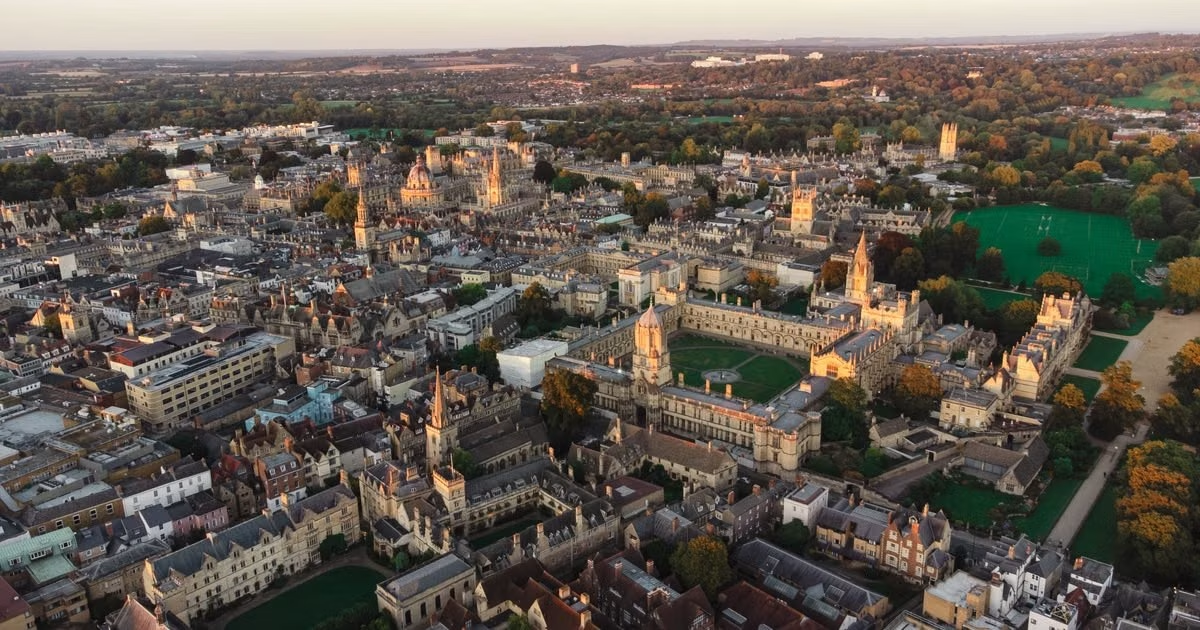
City Guide · 12 min read
A world-leading universityThe collegiate experienceHistory and academiaA compact, walkable cityPost-study work rightsAccess to London
Oxford is a small English city dominated by one of the world’s greatest universities, the University of Oxford, founded over nine centuries ago, alongside the large, modern Oxford Brookes University. Studying here means a genuinely world-leading education, a distinctive collegiate system where your college provides accommodation and community, and a breathtaking historic city you can cross on foot or by bike. Backed by the UK’s Graduate Route, it is a remarkable choice. The trade-offs are stiff competition for places, high costs, and a very tight housing market in a small city.
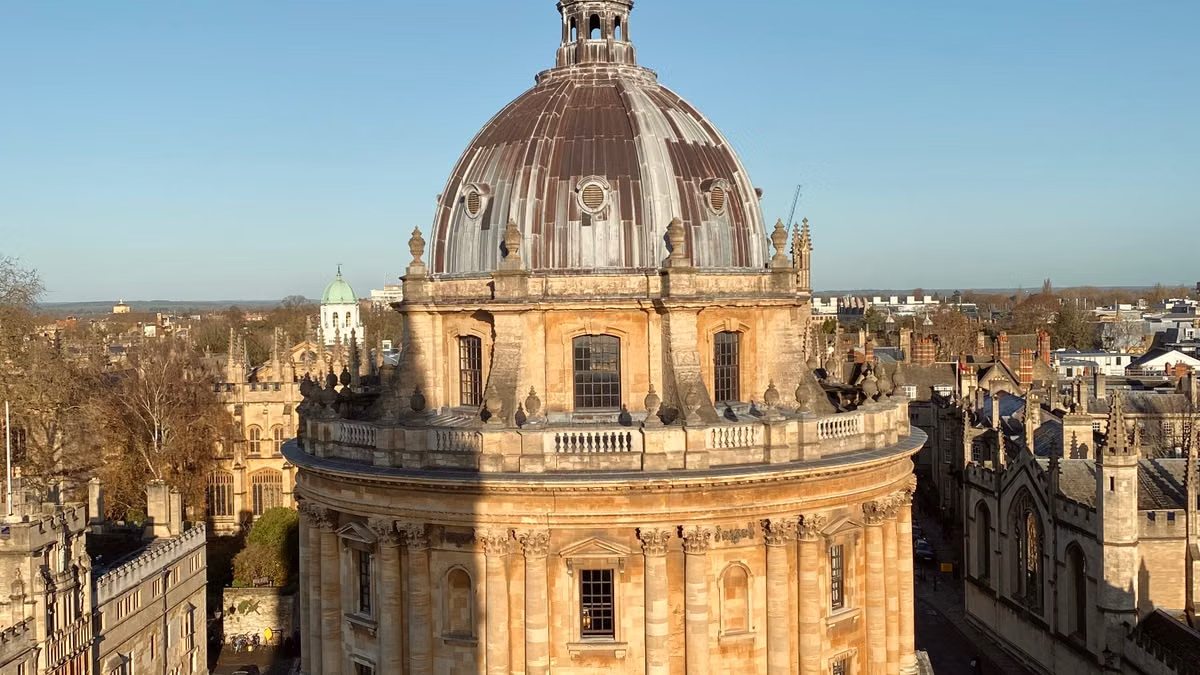
Country Context: United Kingdom
- Student Visa: International students generally need a UK Student visa, applied for after a Confirmation of Acceptance for Studies (CAS) from the university, and pay the Immigration Health Surcharge as part of the application.
- Post-Study Work Rights: The Graduate Route lets graduates stay and work: currently two years for bachelor’s or master’s graduates (reducing to 18 months for applications from January 2027) and three years for doctoral graduates, with no employer sponsorship needed.
- Primary Language: English, in a small, historic city with a large and highly international academic community, so daily life is straightforward for newcomers.
- Healthcare System: The UK’s National Health Service (NHS) provides healthcare; international students who have paid the Immigration Health Surcharge can generally access NHS care during their studies.
Key Takeaways
- The University of Oxford is one of the world’s greatest universities, with a distinctive collegiate system in which your college provides accommodation and community.
- International undergraduate course fees run roughly GBP 33,000-48,600/year depending on programme, plus a college fee of around GBP 9,000/year.
- Oxford is small, beautiful, and expensive, with a very tight housing market, though colleges house many students, easing the pressure.
- The Graduate Route offers post-study work (currently two years, reducing to 18 months from January 2027 for non-doctoral graduates), plus NHS access via the health surcharge.
Education
Excellent
The University of Oxford is one of the world’s very best universities across almost every discipline, with Oxford Brookes adding a strong, modern, applied alternative in the same city.
Cost of Living
Significant Challenges
One of the more expensive UK cities outside London, driven by housing in a small, high-demand city; college-provided accommodation helps, but daily costs remain high.
Housing
Significant Challenges
A very tight, pricey market in a small city; colleges house many Oxford students, a real advantage, but private rentals are competitive and expensive, so plan early.
Transportation
Very Good
A compact, cycling-friendly city where most students get around on foot or by bike, with good buses and fast, frequent rail and coach links to London.
Safety
Very Good
A generally very safe small city with comfortable student areas, needing only the usual sensible night-time awareness in the busiest central spots.
Healthcare
Very Good
The NHS provides comprehensive care, accessible to students who have paid the Immigration Health Surcharge, and Oxford has major teaching hospitals.
Employment & Work Opportunities
Very Good
A hub for academia, publishing, biotech, and a growing science-and-tech cluster, with fast access to London’s job market, backed by the Graduate Route.
Student Lifestyle
Very Good
A quintessential university-town experience, colleges, societies, punting, and history, in a beautiful city, though smaller and quieter than Manchester or London.
Climate
Mixed
A mild, temperate English climate, often grey and wet, with no real extremes, comfortable but rarely sunny for long.
Student Essentials
Monthly Budget
- Accommodation (college / shared)GBP 720
- FoodGBP 280
- Transit (bus / cycling)GBP 45
- Phone & InternetGBP 25
- EntertainmentGBP 170
- TotalGBP 1,240
Working While Studying
- Hours Allowed: Student visa holders can generally work a capped number of hours per week during term (commonly 20) and full-time during holidays, though Oxford’s intensive terms leave limited time for work.
- Common Jobs: College and university roles, tutoring, hospitality, and retail are common, alongside internships in publishing, research, and the local science-and-tech cluster.
- Tax Notes: Working students need a National Insurance number and pay UK tax through PAYE; international students have specific rules, so it’s worth understanding your status early.
Scholarships
Application Routes Worth Knowing
- Oxford Scholarships (e.g. Reach Oxford, Rhodes): Oxford and its colleges offer prestigious scholarships for international students, from the Reach Oxford undergraduate scholarship to the graduate Rhodes and Clarendon awards.
- External and Country-Specific Scholarships: Many students combine home-country government scholarships, Chevening (for postgraduates), and private awards to help meet Oxford’s high costs.
- College Bursaries and Grants: Individual colleges offer bursaries, hardship funds, and travel or research grants that can help with costs once you are a member.
Visa Requirements
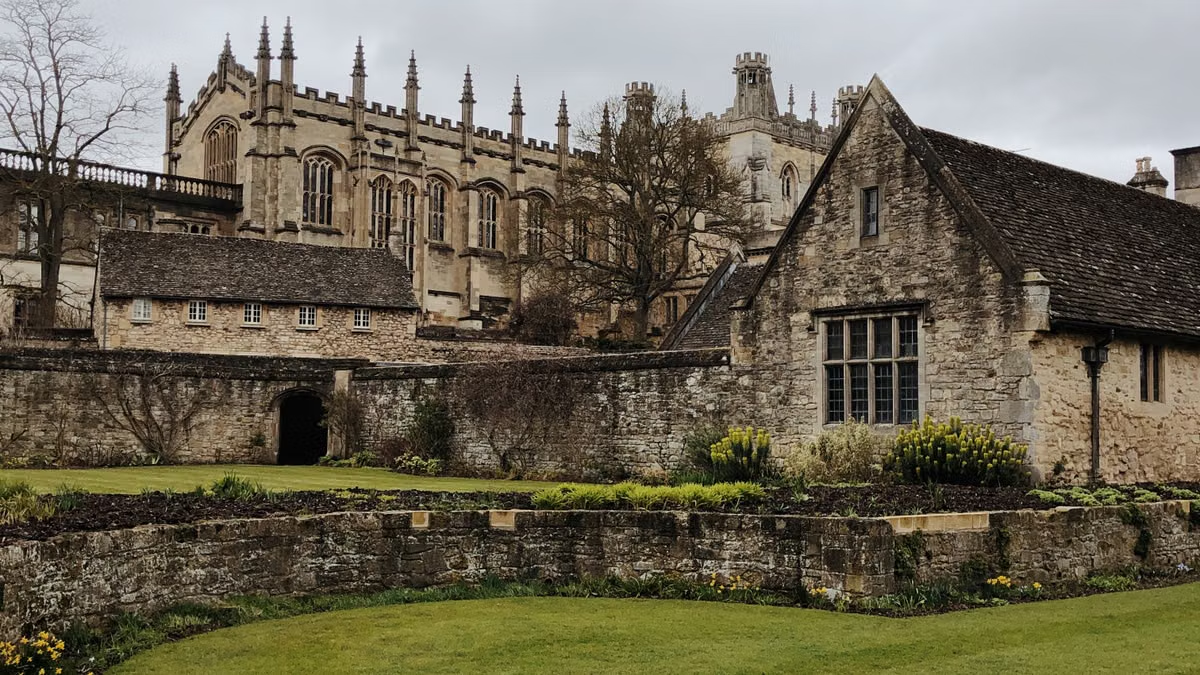
University of Oxford
One of the world’s oldest and greatest universities, collegiate in structure, with international course fees roughly GBP 33,000-48,600/year plus a college fee of around GBP 9,000/year.
- Humanities
- Sciences
- PPE
- Medicine
Oxford Brookes University
A large, well-regarded modern university in the same city, known for architecture, business, and the health sciences, offering a more applied, accessible route.
- Architecture
- Business
- Health Sciences
- Publishing
Ruskin College
A historic, specialist college focused on adult education and the social sciences, offering a distinctive alternative for mature and non-traditional students.
- Social Sciences
- Adult Education
- History
- Social Work
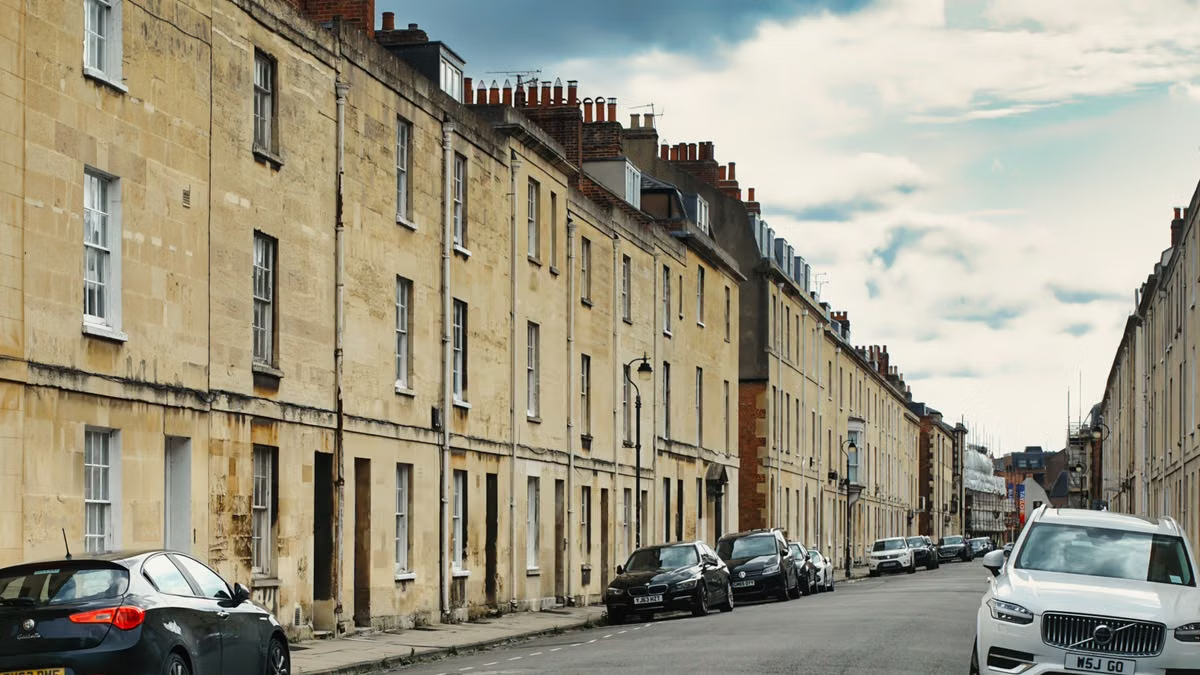
Neighbourhoods to Consider While Studying in Oxford
There’s no single right answer here, so we’ve picked four areas that each do one thing particularly well. Whichever priority matters most to you, cost, lifestyle, space, or commute time, one of these should fit.
City Centre (college accommodation)
Best for Shortest Commute
For Oxford University students, a college room in or near the centre is the classic option, walkable to everything, with community built in, and often better value than private rentals.
Cowley Road / East Oxford
Best for Social & Cultural Life
The lively, diverse student district east of the centre, full of cafes, music, and independent shops, and the heart of Oxford’s non-college social life.
Headington
Best for Budget-Conscious Students
An area to the east near Oxford Brookes and the hospitals, with more affordable rentals and good bus links, popular with Brookes students and those seeking better value.
Summertown / Jericho
Best for Grad Students Wanting Space
Jericho is a charming central district, while Summertown to the north is leafier and calmer; both are pricier but popular with graduate students wanting comfort and space.
How We Score This
Each category is rated on a five-point scale: Excellent, Very Good, Good, Mixed, or Significant Challenges. We use qualitative bands rather than decimal scores because factors like student lifestyle or housing quality don’t reduce to a single comparable number from any one source. Ratings reflect research across publicly available information, and specific facts such as tuition figures and visa timelines are cited directly where they’re used.
Overall Student Experience Score
Excellent
A remarkable choice for students who can win a place at one of the world’s greatest universities and want the distinctive collegiate experience in a beautiful historic city, backed by post-study work rights. The trade-offs to plan around are fierce competition, high costs, and a very tight housing market.